Wondering why some Woodland Park mountain homes sit while others draw serious attention? In this market, a great property is not always enough on its own. If you want to sell smart, you need the right price, a clean prep file, and marketing that highlights what mountain buyers actually care about. Let’s dive in.
Understand the Woodland Park market
Woodland Park is active, but it is not a market where every home flies off the shelf. Recent public market data shows different numbers depending on the source, but the overall pattern is consistent: homes are selling, yet pricing and presentation matter.
Across major housing platforms, Woodland Park shows median days on market ranging from the 40s to upper 60s, with sale-to-list ratios near 98% to 99.1%. That means buyers are still engaged, but they are not broadly rewarding overpricing. A smart seller should expect results to follow preparation, condition, and strategy.
For you, the takeaway is simple. Do not build your plan around the idea of an automatic above-list sale. Build it around current local comps, realistic timing, and a listing launch that removes buyer uncertainty from day one.
Price for today, not last year
In a mountain market, pricing has to reflect what buyers are seeing right now. Woodland Park’s recent market snapshots show a median sale price roughly in the upper $400,000s to low $500,000s, while list prices can trend higher. That gap is a reminder that list price and final sale price are not the same thing.
If you price based on peak expectations instead of current comparable sales, you risk losing momentum early. Buyers often watch how long a home sits, and longer market time can weaken your position. A sharper price at launch often creates stronger interest than a later price cut.
This is especially important for mountain properties with unique features. A view, a large lot, or a detached structure may add value, but only when those benefits are supported by condition, usability, and market evidence.
Highlight what mountain buyers value
Views and lot position
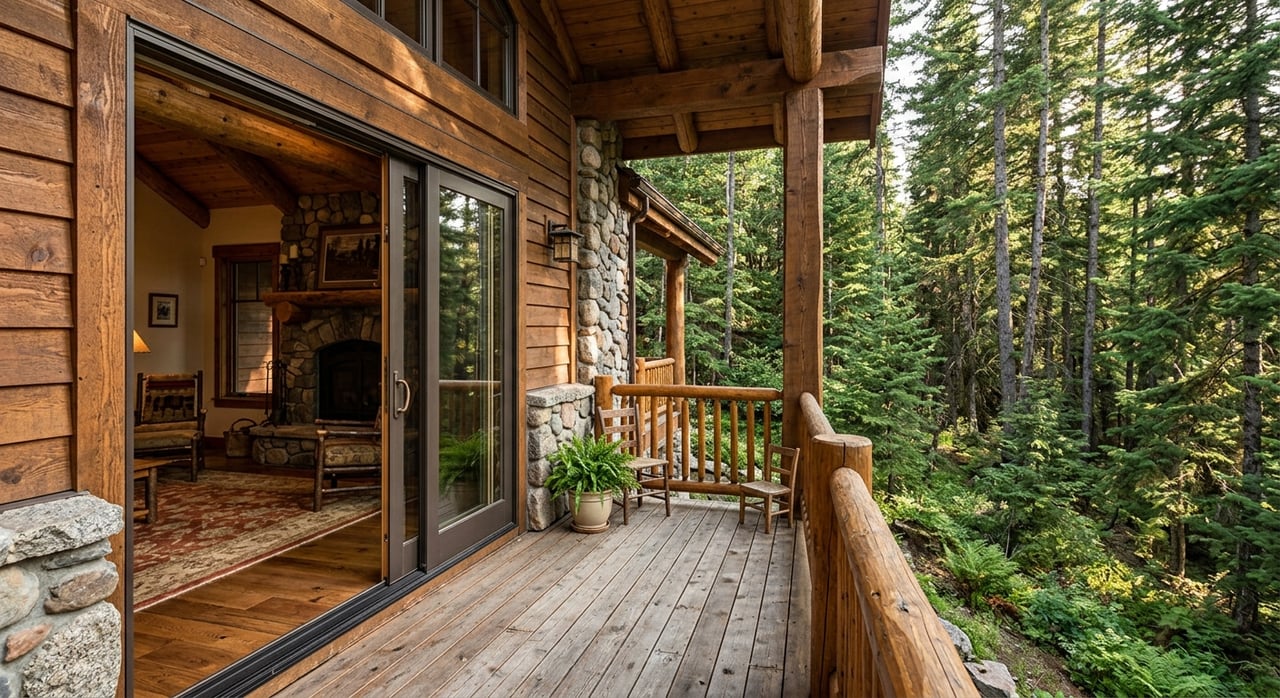
Mountain buyers often care deeply about how a home sits on the land. View corridors, privacy, sun exposure, and the usability of decks or patios can shape both buyer perception and appraised value.
Fannie Mae notes that appraisals consider location, views, condition, extra features, and comparable sales. In Woodland Park, that means your lot position and outdoor living areas should be treated as part of the value story, not as side notes.
Access and driveway usability
Access is a major issue in mountain sales. Buyers are likely to ask how the driveway handles winter weather, whether there is enough turnaround space, and whether any shared access is legally documented.
Colorado’s seller disclosure form specifically addresses access issues, driveways, easements, and parking limitations. Teller County also maintains driveway permit applications and access guidelines. If your home has a steep drive, shared driveway, or seasonal access challenge, address it early and clearly.
Detached buildings and improvements
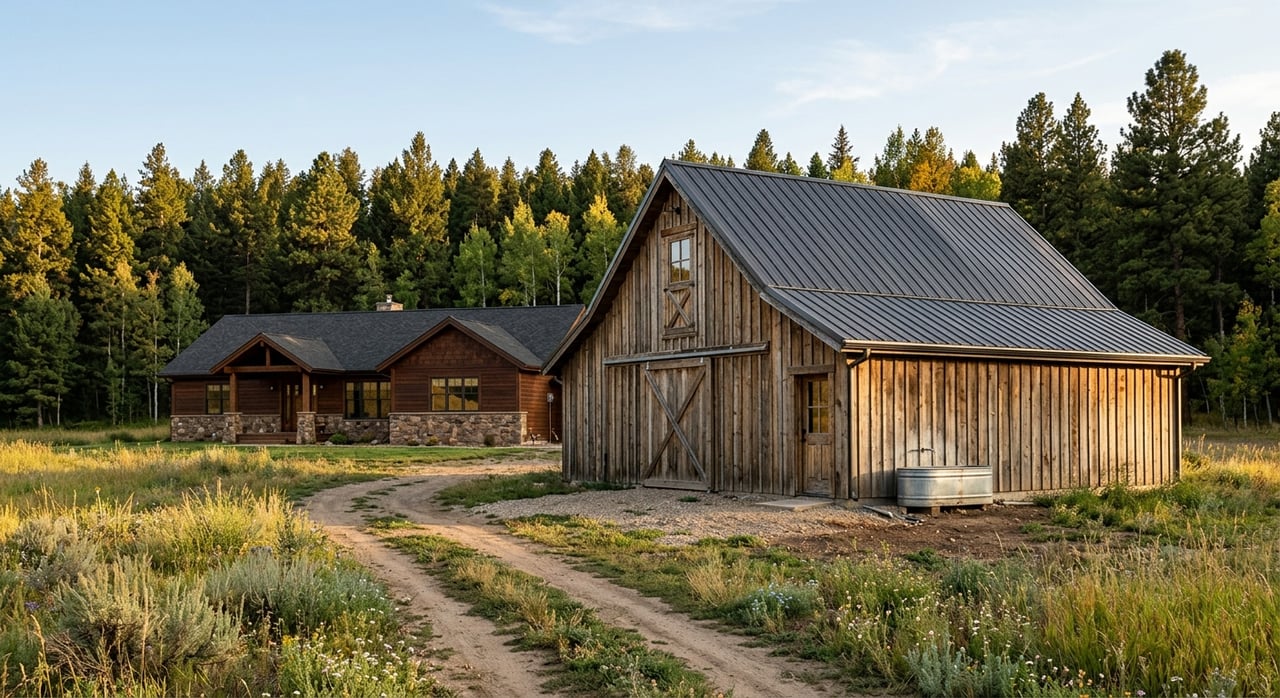
A detached garage, shed, barn, workshop, or studio can be a strong selling point, but buyers may want proof that improvements were properly permitted. Colorado’s disclosure form asks about detached buildings and written reports related to building or site issues.
Before your listing goes live, gather permits, contractor invoices, and any related records for additions, decks, garages, and accessory structures. In Woodland Park and greater Teller County, this step can help reduce hesitation during showings, inspections, and underwriting.
Build your pre-listing file early
One of the smartest things you can do is create a pre-listing file three to twelve months before you sell. Colorado’s disclosure requirements are based on your current actual knowledge, and if you learn about a new adverse material fact later, you need to disclose it promptly.
That makes early preparation more than a convenience. It is one of the best ways to reduce surprises, answer buyer questions quickly, and keep your transaction moving.
What to gather before listing
Start with the documents buyers, agents, and lenders are most likely to ask for:
- Roof age, warranties, repair receipts, and prior insurance claim information
- Reports involving roofing, soils, water, sewer, mold, or engineering issues
- Septic permits, maintenance records, and OWTS file search documents
- Well permit details and recent water-quality test results
- Driveway, easement, access, and parking records
- Permits for decks, garages, additions, and accessory structures
- Radon test results and mitigation records
- HOA or owner association documents, if applicable
You should also confirm whether your property falls under Woodland Park city permitting or unincorporated Teller County permitting. That detail can matter when buyers start asking for records.
Address mountain systems before buyers ask
In Woodland Park, buyers often focus on the systems that make mountain living work. The more clearly you can document those systems, the more confidence you create.
Well and water records
If your home is served by a well, buyers may ask for permit details and water quality information. Colorado State University Extension notes that most domestic wells in Colorado require a State Engineer permit, and water quality is only reliably confirmed through lab analysis.
If you already have recent test results, keep them easy to share. If you do not, this is something to discuss before listing so you can avoid last-minute scrambling.
Septic and OWTS records
Septic history matters in mountain transactions. Teller County provides septic services and OWTS permit resources, and buyers may ask for permits, inspections, or maintenance records.
If you can show that your system has been maintained and documented, you reduce uncertainty. That can help the buyer feel more comfortable and help your deal stay on track.
Radon, moisture, and drainage
Colorado’s disclosure form asks about radon, moisture intrusion, flooding, drainage, and grading issues. CDPHE encourages radon testing during real estate transactions and reports that radon is responsible for about 500 lung cancer deaths annually in Colorado.
If your home has a radon mitigation system or prior test results, organize those records before listing. The same goes for any known drainage fixes, grading work, or moisture-related repairs.
Wildfire mitigation and defensible space
Wildfire is part of living in Colorado’s mountain communities. The Colorado State Forest Service emphasizes wildfire hardening and defensible space, which makes mitigation work an important part of your property story.
If you have completed tree work, brush clearing, or other mitigation improvements, document them. Buyers may see that work as a practical benefit, especially when comparing similar homes on wooded lots.
Use photography that sells mountain living
Most buyers start online, and that matters even more in a market that attracts out-of-area and second-home interest. The National Association of Realtors reports that 51% of buyers found the home they purchased on the internet. Among buyers who used the internet, 83% said photos were the most useful feature and 41% said virtual tours were useful.
That means your online presentation has to do more than show attractive rooms. It has to help buyers quickly understand the full mountain-living package.
Lead with the right images
For a Woodland Park mountain home, your photo strategy should usually include:
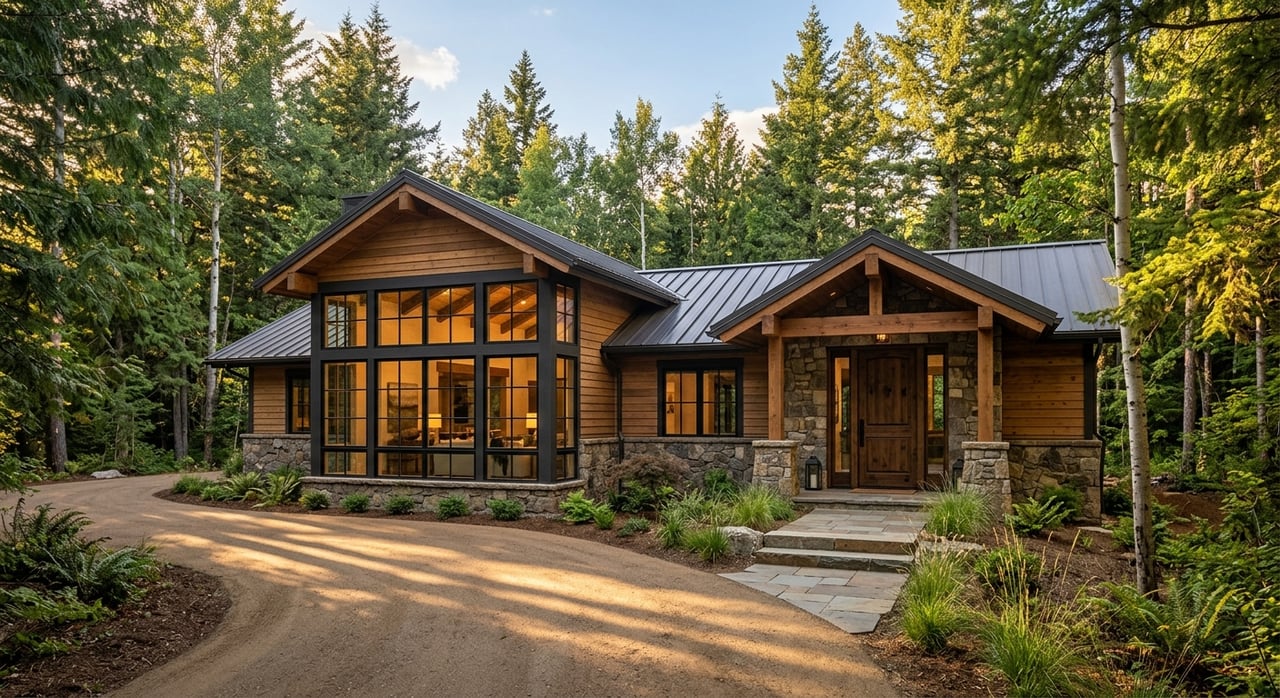
- The approach to the home
- View lines from the house and lot
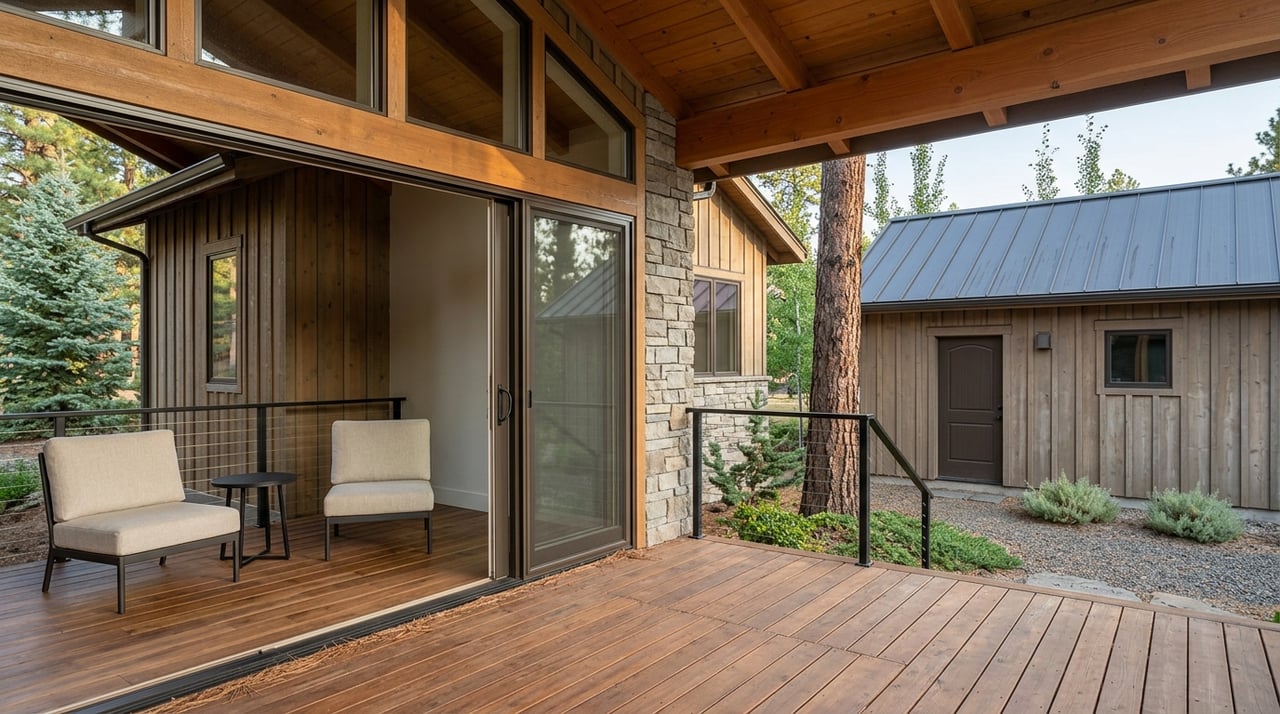
- Decks, patios, and outdoor gathering areas
- Driveway layout, parking, and turnaround space
- Detached garages, shops, sheds, or barns
- Key interior rooms with natural light and clean sightlines
This approach helps buyers self-qualify before they book a showing. It also sets more accurate expectations, which can improve the quality of the interest you receive.
Stage the spaces that matter most
NAR’s 2025 staging report found that 83% of buyers’ agents believed staging made it easier for buyers to visualize a property as a future home. The same report points to a practical priority list: focus first on the living room, primary bedroom, and kitchen.
If your budget is limited, start there. Then move to secondary spaces and exterior cleanup so the home feels spacious, maintained, and ready for mountain living in both photos and in person.
Prepare for buyer questions now
Many Woodland Park sales slow down because sellers are asked basic property questions too late. In this market, buyers are likely to ask about details that go beyond finish level and square footage.
Expect questions about:
- Whether views are likely to remain similar over time
- Shared driveway terms and maintenance
- Permit history for additions and detached structures
- Well, septic, and water records
- Radon testing or mitigation history
- Water intrusion, drainage, or grading concerns
- Wildfire mitigation work
- Any known issues with outbuildings or exterior systems
If you can answer these questions quickly and clearly, you make your home easier to evaluate. That can translate into stronger offers and fewer contract delays.
Smart selling means reducing uncertainty
The smartest way to sell a mountain home in Woodland Park is not to rely on luck or seasonality. It is to remove friction wherever you can.
That means pricing from current local comps, organizing your disclosures early, documenting mountain-specific systems, and investing in marketing that reflects how buyers actually shop. In a market that is active but not uniformly fast-moving, the best-prepared listings are often the ones that stand out.
If you are thinking about selling and want local guidance on pricing, prep, and mountain-market positioning, High Country Realty can help you build a smart plan from the start.
FAQs
What makes selling a Woodland Park mountain home different?
- Mountain homes often involve added buyer questions about views, access, driveways, wells, septic systems, radon, wildfire mitigation, and permit history for detached structures or additions.
How long does it take to sell a home in Woodland Park?
- Recent public market reports show median days on market and pending timelines vary by source, but the broader trend suggests Woodland Park is active without being uniformly fast-moving.
What documents should you gather before listing a mountain home in Teller County?
- A strong pre-listing file can include roof records, permits, septic and well documents, access and easement records, radon results, engineering or repair reports, and HOA information if it applies.
Why does driveway access matter when selling a Woodland Park property?
- In mountain areas, driveway usability, winter access, shared access terms, and parking limitations can affect buyer confidence, disclosures, financing, and overall marketability.
Should you stage a mountain home before listing it for sale?
- Staging can help buyers visualize the property more easily, and the most important spaces to focus on first are typically the living room, primary bedroom, and kitchen.
What photos matter most for a Woodland Park mountain home listing?
- In addition to interior photos, buyers often want to see the home approach, views, outdoor living spaces, driveway layout, parking areas, and detached structures so they can understand how the property lives day to day.