Trying to choose between Woodland Park and Divide? You are not alone. Many buyers looking in Teller County want mountain living, but they are really deciding between two different day-to-day experiences. If you are weighing convenience against privacy, or town amenities against larger acreage, this guide will help you sort out which place fits your goals best. Let’s dive in.
Woodland Park vs. Divide at a Glance
If you want the simplest summary, here it is: Woodland Park offers more convenience and housing variety, while Divide leans more toward acreage, privacy, and a rural mountain feel.
That difference shows up in housing inventory, lot sizes, amenities, and how each community is set up. While both towns sit in the same broader mountain market, they often attract buyers with different priorities.
Housing Options Feel Different
One of the biggest differences between Woodland Park and Divide is the type of property you are likely to find. Woodland Park has a broader mix of homes, while Divide trends more heavily toward detached homes and land.
Current Zillow snapshots show Woodland Park with a typical home value of $538,023, 116 homes for sale, and a median list price of $579,617. Divide shows a typical home value of $496,418, 45 homes for sale, and a median list price of $543,317. That places both communities in a similar overall price range, but Divide has less inventory and slightly lower average pricing in the current snapshot.
Woodland Park Offers More Variety
Woodland Park listings include single-family homes, condos, townhomes, duplexes, triplexes, and land. That gives you more flexibility if you want a lower-maintenance property, an attached home, or a more traditional in-town setup.
This wider housing mix can be helpful if you are comparing full-time living, a second home, or a move that needs a certain price point or property style. It also gives sellers access to a broader pool of likely buyers depending on the home type.
Divide Leans Toward Land and Detached Homes
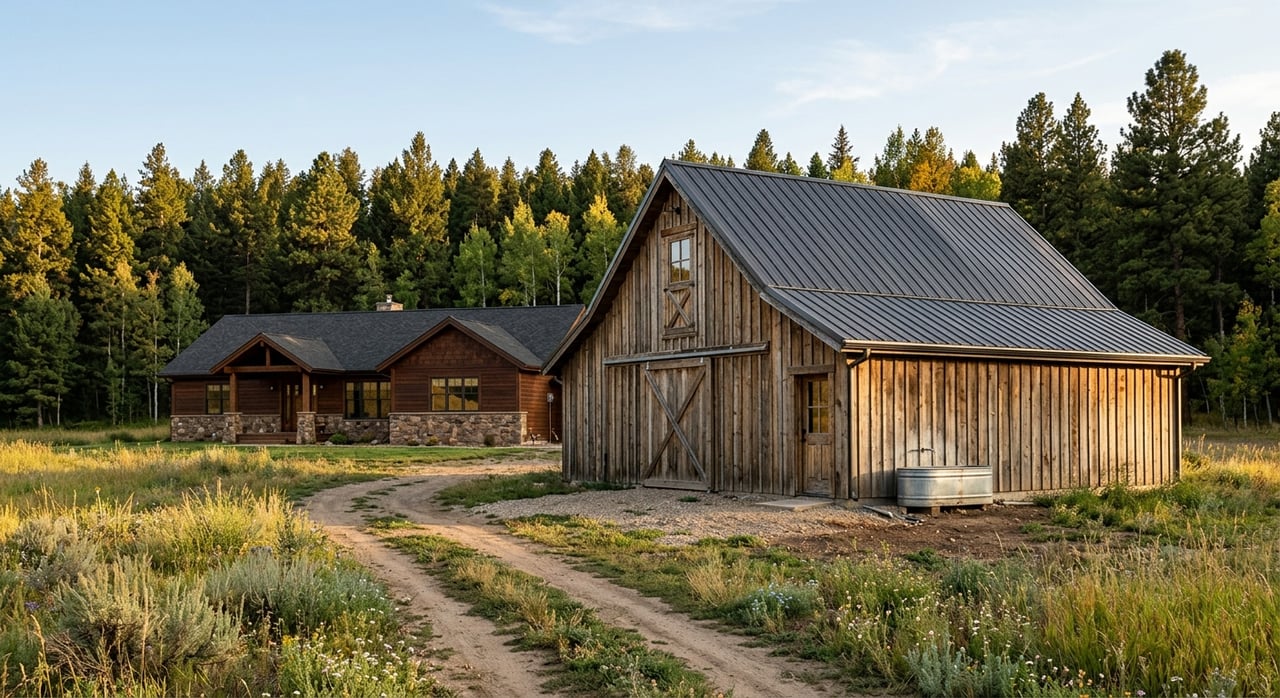
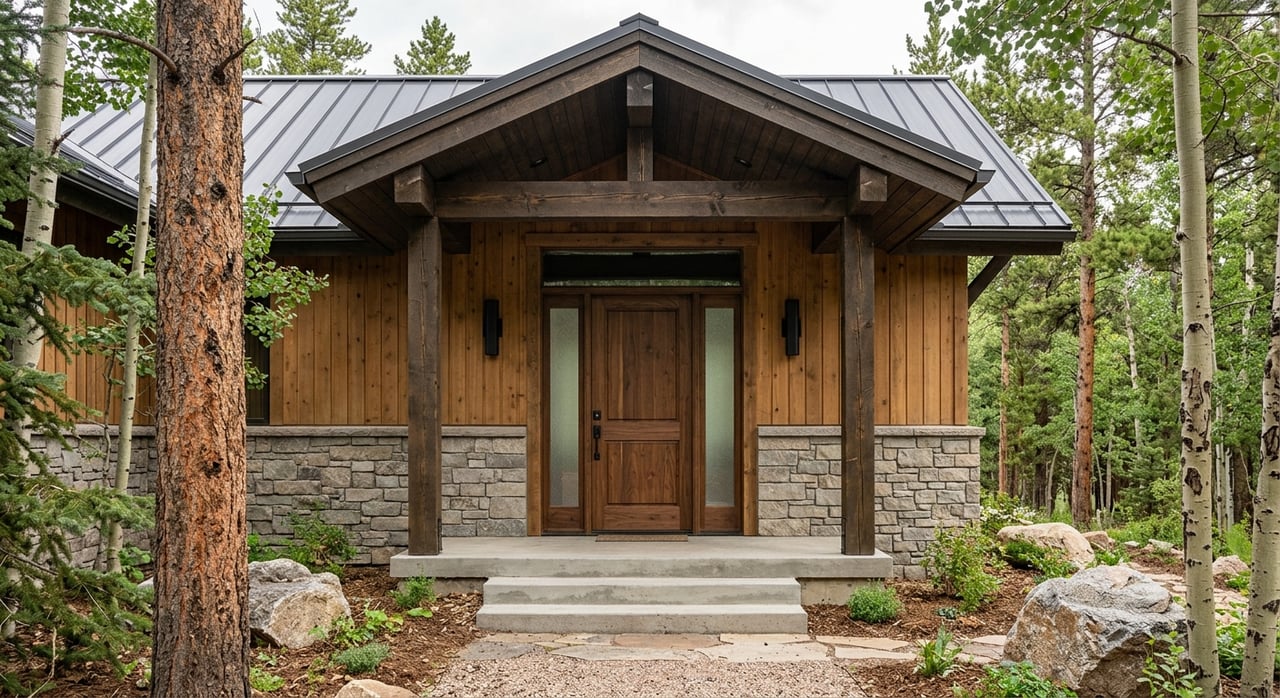
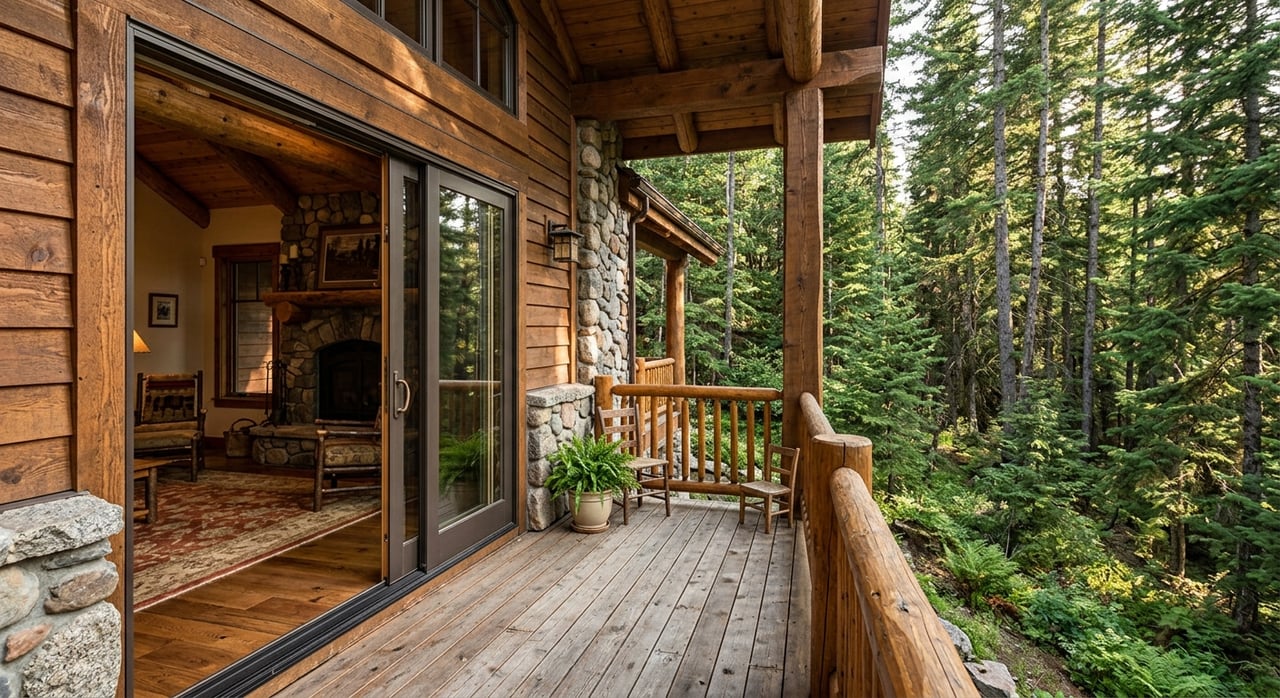
Divide listings are more centered on single-family homes and land. If you picture a mountain cabin, a log-sided chalet, a ranch-style mountain home, or a custom home on acreage, Divide often matches that vision more closely.
For many buyers, that translates into a stronger sense of space and separation. If you want room for views, elbow room between neighbors, or a property that feels more rural, Divide often rises to the top.
Lot Sizes Often Shape the Decision
Lot size is where the contrast becomes even clearer. Woodland Park can absolutely offer acreage, but Divide more consistently trends toward larger parcels based on current listing examples.
In Woodland Park, recent examples include homes on 0.37, 0.41, 0.57, 0.94, 2.35, 9.19, and 10.12 acres. In Divide, recent examples include 11.5, 20.41, 35, 54.49, 60, and 285.34 acres. That does not mean every Divide property is large acreage, but it does show how often the market there supports a more land-focused lifestyle.
Choose Woodland Park for Smaller to Mid-Size Lots
If you want mountain living without taking on a large parcel, Woodland Park may feel more manageable. You can still find homes with privacy, trees, and views, but you are more likely to see lot sizes that fit a more town-oriented lifestyle.
That can be a strong fit if you want outdoor space without the upkeep that often comes with a much larger rural property. It can also appeal to buyers who want a more straightforward transition into mountain living.
Choose Divide for More Space
If acreage is high on your list, Divide stands out. Larger parcels can offer flexibility for privacy, outdoor enjoyment, and a stronger sense of seclusion.
This is also where local market knowledge matters. In mountain and acreage deals, practical details like access, lot layout, and property-specific infrastructure can affect how a home lives day to day.
Amenities and Daily Life
Your daily routine may matter just as much as the home itself. Woodland Park has the more developed amenity base, while Divide offers a quieter setup with more limited town-style amenities.
That does not make one better than the other. It simply means each place supports a different pace and pattern of living.
Woodland Park Has More Built-In Convenience
The City of Woodland Park reports 66.67 acres of developed parks, 38.37 acres of open space and greenways, and 4.61 miles of trails. It also operates the Woodland Aquatic Center and maintains a Main Street Program focused on downtown revitalization.
For you, that can mean more nearby places to gather, exercise, run errands, and enjoy a more connected town environment. If you want a mountain setting with a clearer civic center and more built-in recreation, Woodland Park checks more boxes.
Divide Keeps Amenities Simple
Divide’s public amenity profile is more limited, but it still has an important recreation asset in Hayden Divide Community Park. The park includes 12.5 acres, softball and baseball fields, a multi-use play court, two play lots, restrooms, a picnic area, parking, and the 2.5-mile Divide Loop Hiking Trail.
That setup supports outdoor use and community recreation, but it is not the same as a full municipal network. If you are comfortable trading some convenience for more land and privacy, that may feel like a worthwhile exchange.
Schools and In-Town Services
For some buyers, nearby day-to-day services help shape the decision. Woodland Park has a PK-12 school district with campuses in town, including three elementary schools, one middle school, one high school, and one charter school according to the district.
That can be a meaningful factor if you want more routine services nearby or you prefer a more structured in-town environment. It is simply one piece of the overall lifestyle picture.
Divide, as an unincorporated community, has a more rural framework. Buyers considering Divide are often prioritizing the property itself, the land, and the quieter setting over a fuller in-town service base.
Access and Commuting Matter More Than You Think
Even if you love the idea of a remote mountain home, your drive patterns still matter. Woodland Park is approximately 20 miles west of Colorado Springs on U.S. Highway 24, according to the school district.
That location generally makes Woodland Park the more practical choice if you expect more frequent trips for work, appointments, shopping, or regular errands. In mountain living, convenience often comes down to how often you need to be on the road.
Woodland Park Is Easier for Frequent Travel
If you plan to commute regularly or head into Colorado Springs often, Woodland Park typically offers the easier setup. You are still in a mountain town, but with a shorter connection to the larger regional service and employment base.
That can make a major difference over time. A home that feels perfect on paper may feel less practical if the road time starts to wear on your routine.
Divide Feels More Remote
Divide sits farther west along the same U.S. 24 corridor and is centered around the Highway 24 and Highway 67 junction. That usually makes it the more remote option in day-to-day terms.
For some buyers, that is exactly the appeal. If you want a setting that feels farther from the pace of the metro area, Divide often delivers that extra step into rural mountain living.
Why the Two Markets Feel So Different
Part of this difference comes from land-use patterns. Woodland Park’s subdivision code requires new subdivisions to provide infrastructure such as drainage, water, sewage, electric, gas, telecommunications, and public improvements including transportation facilities, parks, trails, and schools.
Teller County’s rules for unincorporated areas explicitly recognize very low-density development, including development at no more than one unit per 10 acres where central water and sewer are not available. That helps explain why Divide often feels more acreage-oriented while Woodland Park feels more service-oriented.
For buyers, this matters because the surrounding pattern of development affects your experience long after closing day. It shapes how much space you have, what kind of neighborhood setting you are in, and what kind of infrastructure may support the area.
Which Town Fits You Best?
If you are deciding between the two, start with how you want to live, not just what you want to buy. The right answer usually becomes clearer when you focus on your daily routine, property goals, and comfort level with a more rural setup.
Woodland Park May Fit You Better If You Want:
- More housing variety
- More town amenities
- A clearer downtown feel
- Easier access to Colorado Springs
- More nearby parks, trails, and recreation facilities
- A mountain setting with more built-in convenience
Divide May Fit You Better If You Want:
- More privacy
- Larger parcels
- A more rural mountain-property feel
- More separation from neighboring homes
- A market centered more on detached homes and land
- A quieter setting with a stronger focus on acreage and views
Final Thoughts on Woodland Park vs. Divide
Both Woodland Park and Divide offer a compelling mountain lifestyle, but they serve different priorities. Woodland Park is generally the stronger fit if you want convenience, variety, and a more developed town environment. Divide is often the better fit if you want land, seclusion, and a more rural ownership experience.
If you are comparing homes, cabins, custom builds, or acreage in Teller County, it helps to work with a team that understands not just the listings, but also the practical details that come with mountain properties. For guidance on Woodland Park, Divide, and the surrounding area, connect with High Country Realty to explore the options that fit your lifestyle best.
FAQs
What is the main difference between Woodland Park and Divide for homebuyers?
- Woodland Park generally offers more convenience, housing variety, and town-style amenities, while Divide is more focused on privacy, acreage, and a rural mountain-property feel.
Is Divide usually less expensive than Woodland Park?
- In the current market snapshot, Divide shows a slightly lower typical home value and median list price than Woodland Park, but both communities are in a similar overall price band.
Does Woodland Park have more home inventory than Divide?
- Yes. The current Zillow snapshot shows 116 homes for sale in Woodland Park compared with 45 homes for sale in Divide.
Are lot sizes larger in Divide than in Woodland Park?
- Based on recent listing examples, Divide more consistently trends toward larger parcels, while Woodland Park includes more smaller to mid-size lots along with some acreage properties.
Is Woodland Park better for commuting to Colorado Springs?
- Woodland Park is generally the more practical option for frequent travel because it is approximately 20 miles west of Colorado Springs on U.S. Highway 24.
What amenities does Divide offer for residents and visitors?
- Divide’s key public recreation asset is Hayden Divide Community Park, which includes sports fields, play areas, restrooms, picnic space, parking, and the 2.5-mile Divide Loop Hiking Trail.
What amenities does Woodland Park offer for everyday living?
- Woodland Park offers a more developed amenity network, including parks, open space, trails, the Woodland Aquatic Center, and a downtown Main Street program.
Which town is better for buying acreage in Teller County?
- If your top priority is larger parcels and a more rural setting, Divide is often the stronger fit based on its current housing mix and land-use pattern.