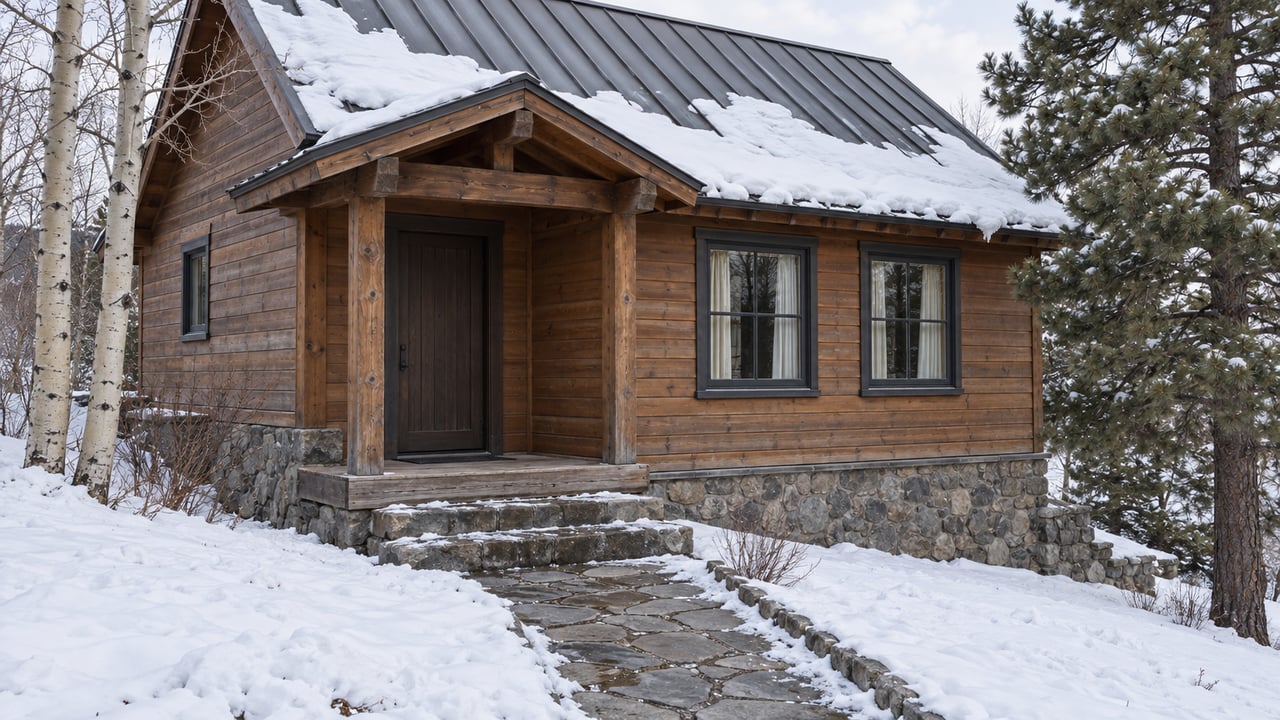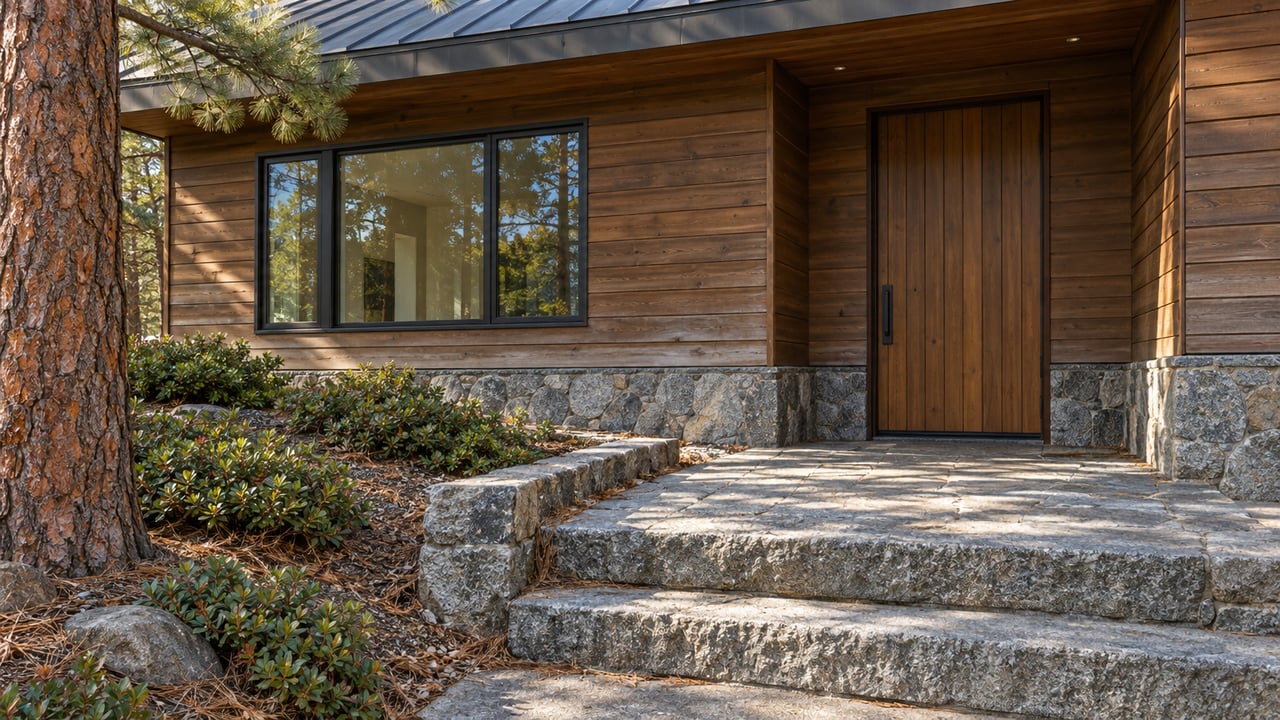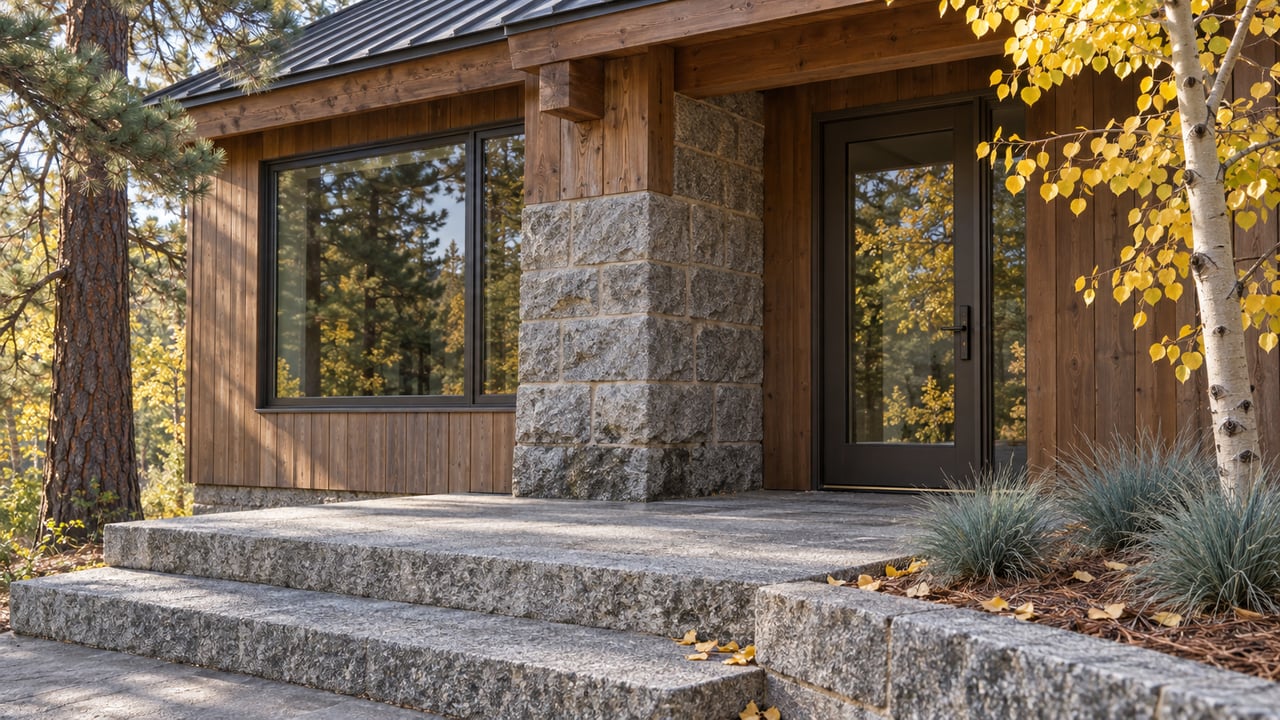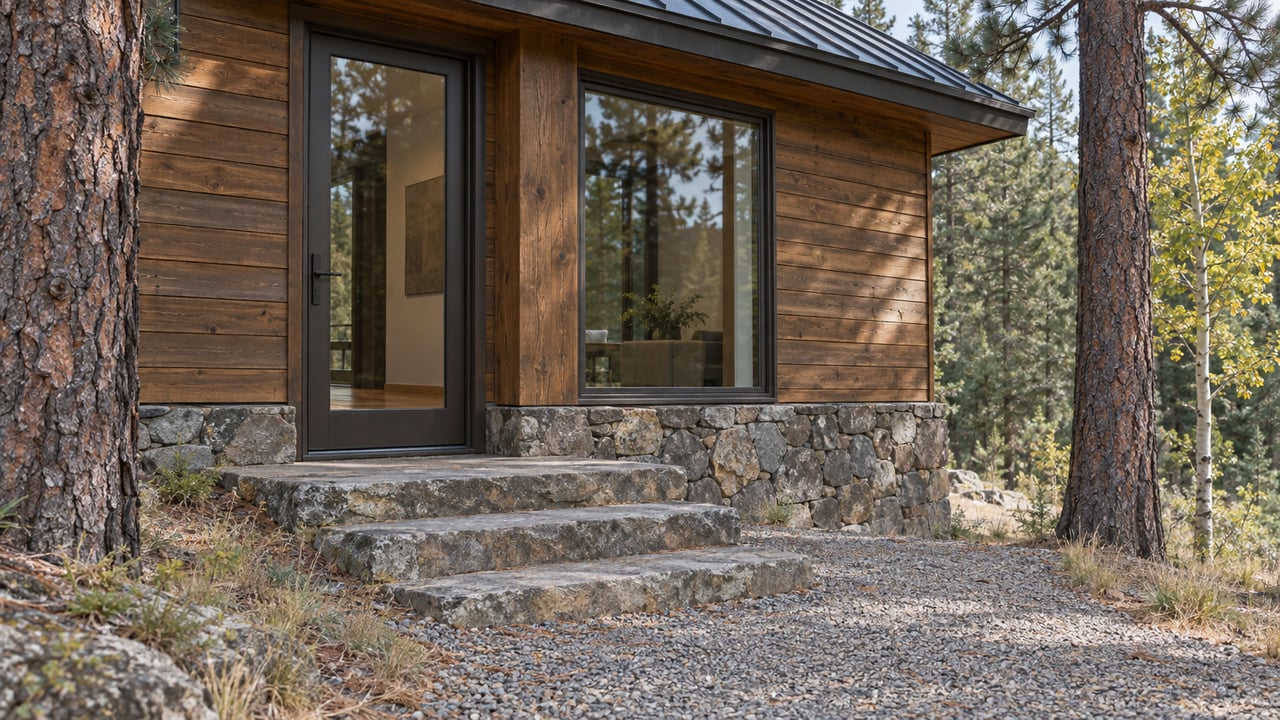
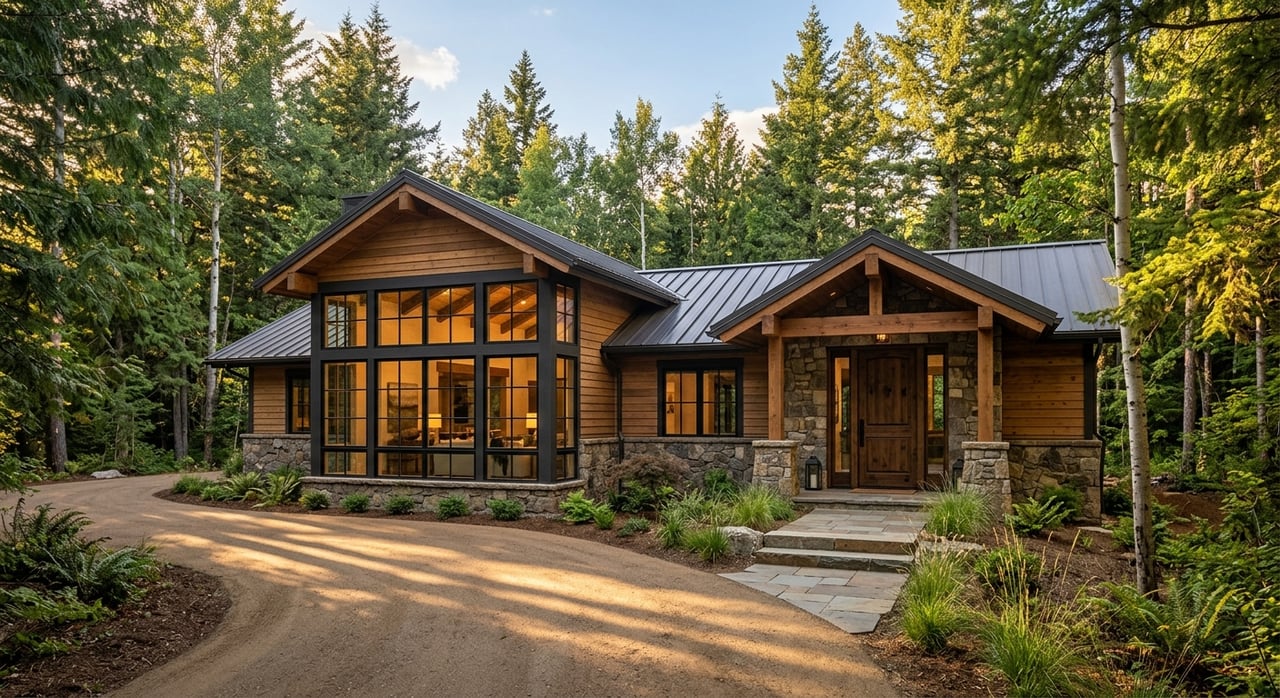
Choosing a neighborhood in Woodland Park is about more than finding a home you like on paper. You are also choosing your daily drive, your access to trails and parks, your winter road routine, and the kind of setting that feels right when you pull into the driveway. If you want to narrow your search with more confidence, this guide will help you compare Woodland Park’s main residential pockets and the practical details that matter most. Let’s dive in.
Start With Your Daily Priorities
Before you compare listings, get clear on how you want your day-to-day life to feel. In Woodland Park, two homes with similar square footage can live very differently depending on access, density, open space, and proximity to town amenities.
The city sits about 18 miles west of Colorado Springs, with US-24 and CO-67 serving as the main access corridors. That means commute patterns and winter travel can play a big role in which area feels most convenient for you.
A smart first step is to rank your top priorities, such as:
- Faster access to US-24 or CO-67
- A more compact area near errands and services
- A wooded, lower-density setting
- Nearby trails, parks, or open space
- Address-specific school zone considerations
- Questions about utilities or water-service setup
Know Woodland Park’s Main Residential Pockets
Woodland Park’s housing-density map offers one of the clearest official ways to understand the city’s residential layout. It identifies key pockets including Sunnywood, Tamarac Area, Evergreen Area, Columbine Area, Trail Ridge, and Westwood Lakes.
In general, Trail Ridge is identified as the densest residential cluster, followed by Forest Edge east of Rampart Road and Columbine Village east of US-67. Lower-density edge areas often feel more spacious, wooded, and private by comparison.
Consider Downtown Convenience
Downtown and Memorial Park Core
If you want the shortest path to daily errands, civic uses, and public gathering spaces, start your search near downtown and Memorial Park. The city describes Memorial Park as the heart of Woodland Park, which makes this area the most amenity-oriented part of town.
For many buyers, this part of Woodland Park makes sense when walkability to local destinations matters more than having a larger buffer between homes. It is often the simplest starting point if you want to stay close to the city’s central activity hub.
Compare East-Side Convenience Areas
Trail Ridge, Forest Edge, and Columbine Village
If your top priorities are access and housing variety, focus on the east-side convenience clusters first. The city’s map places Trail Ridge at the top of the density ladder, with Forest Edge and Columbine Village close behind.
That usually means a more compact housing pattern and a wider mix of housing types than you may find in lower-density pockets. These areas are also a practical starting point if you want easier highway access or you want to pay close attention to school-zone options.
For buyers relocating from outside the area, these neighborhoods can feel like the easiest transition point. You are often comparing convenience, access, and layout efficiency more than a secluded mountain setting.
Look at Wooded, Lower-Density Areas
Sunnywood, Tamarac, and Evergreen
If you picture a quieter setting with more breathing room, Sunnywood, Tamarac, and Evergreen deserve a closer look. The city treats these as distinct pockets outside the densest east-side cluster, and they are generally better fits for buyers who want a more wooded, lower-density feel.
These neighborhoods can also appeal to buyers who care about privacy and a stronger sense of separation between homes. The city’s planning documents note that many residential developments maintain private open spaces that serve their neighborhoods, which can shape how these areas feel on the ground.
If views matter to you, compare these pockets carefully with homes that back to open space. The city specifically ties open space to preserving natural resources, unique landscapes, and viewsheds, which can make a meaningful difference from one property to the next.
Explore Edge-of-Town Open Space Options
Paradise, Westwood Lakes, and Country Ridge
If privacy, trail access, and an open-space setting sit at the top of your list, edge-of-town pockets may be your best fit. Paradise Circle, Paradise Estates, Westwood Lakes, and Country Ridge stand out for having the clearest open-space identity.
The city’s adopted parks and trails plan proposes a connector from Paradise Circle to the US-24 underpass. The city’s open-space inventory also lists Paradise Estates as a 19.85-acre undeveloped neighborhood open-space asset, and Country Ridge is described as forested land with trail access to Pike National Forest.
Westwood Lakes brings one more practical item to your checklist. The city’s 2025 water report notes that Westwood Lakes wells are jointly owned with the Westwood Lakes Water District, so buyers should verify water-service details as part of their due diligence.
Factor in Parks and Recreation
Crestwood, Red Mountain, and Forest Edge
If nearby park amenities matter, look closely at Crestwood, Red Mountain, and Forest Edge. These pockets give you a different kind of neighborhood experience because recreation is built into the immediate area.
According to the city’s park inventory, Crestwood Park includes a playground, half-court basketball, gazebo, picnic tables, and a loop fitness trail. Red Mountain Adventure Park includes a skate park, BMX course, playground, and picnic shelter, while Forest Edge Park borders residential backyards near Woodland Park High School.
That kind of proximity can change how a neighborhood feels from day to day. Instead of driving across town for outdoor time, you may have recreational space much closer to home.
Use Density as a Proxy for Feel
One of the most useful ways to compare Woodland Park neighborhoods is by asking how compact or spacious you want your surroundings to feel. The city’s density map is a strong proxy for this.
Trail Ridge, Forest Edge, and Columbine Village generally signal a more compact housing pattern. Lower-density edge pockets usually feel more spread out, which can appeal to buyers who want more privacy, a stronger mountain setting, or less of a clustered layout.
This does not mean one area is better than another. It simply means you should match the neighborhood pattern to how you want to live.
Think About Trails and Open Space
Woodland Park’s trail and park network can shape your home search as much as the house itself. The city lists the American Discovery Trail, Centennial Trail, Downtown Mile, Meadow Wood Sports Complex, and trail resources supported by COTREX.
The city also reports 66.67 acres of developed parks, 38.37 acres of open space and greenways, and 4.61 miles of trails. So when you compare neighborhoods, ask whether you want to be near a trail corridor, close to a neighborhood park, or within easy reach of the downtown core.
In a mountain town, that lifestyle difference is real. Two similar homes can offer a very different ownership experience based on what is outside your front door.
Pay Attention to Winter Access
In Woodland Park, winter access is not a minor detail. The city says it plows public roads inside city limits, but US-24 and CO-67 are maintained by CDOT, not by the city.
That distinction matters when you are comparing commute ease and road-response expectations. A home’s proximity to the main highway corridors can affect how simple your routine feels during snow events.
If you are moving from out of town, be sure to ask who maintains the roads that matter most to your route. It is one of the most practical neighborhood filters you can use.
Verify School Zones by Address
If school attendance boundaries matter to your search, do not rely on a neighborhood name alone. Woodland Park School District says families should verify zones by address.
The district’s registration information says elementary boundaries are built around Columbine and Summit, with choice enrollment available for students who live outside the preferred boundary. That means two nearby homes may not have the same school assignment, even if they seem close on a map.
For buyers with school-related priorities, address-level verification should be part of your shortlist process before you make assumptions about fit.
A Simple Way to Narrow Your Search
If you want a practical shortcut, start by matching your goals to a short list of neighborhood types:
- Downtown and Memorial Park core for proximity to parks, civic uses, and routine errands
- Trail Ridge, Forest Edge, and Columbine Village for compact housing patterns, housing-type variety, and easier highway access
- Sunnywood, Tamarac, and Evergreen for a quieter, more wooded, lower-density feel
- Paradise, Westwood Lakes, and Country Ridge for privacy, trail adjacency, and a stronger open-space identity
- Crestwood and Red Mountain for buyers who want neighborhood-park amenities close by
Once you know which category sounds most like your lifestyle, it gets much easier to filter listings with purpose.
Choosing the right neighborhood in Woodland Park often comes down to the details that do not show up in a photo gallery. Access, views, trail proximity, density, road maintenance, school zones, and water-service setup can all shape whether a home feels like the right fit long after closing day. If you want help comparing neighborhoods, narrowing your search, or understanding mountain-market details before you buy, connect with High Country Realty for local guidance tailored to Woodland Park.
FAQs
What should you compare first when choosing a neighborhood in Woodland Park?
- Start with your daily priorities, such as commute access, proximity to parks and trails, privacy, housing density, and whether you want to be closer to downtown amenities or edge-of-town open space.
Which Woodland Park neighborhoods are best for highway access?
- Trail Ridge, Forest Edge, and Columbine Village are the strongest starting points if you want easier access to US-24 or CO-67 and a more convenience-oriented location.
Which Woodland Park neighborhoods feel more wooded and less dense?
- Sunnywood, Tamarac, and Evergreen are generally the best places to start if you want a quieter, lower-density setting with a more wooded feel.
Which Woodland Park neighborhoods are good to explore for open space and trails?
- Paradise, Westwood Lakes, and Country Ridge are strong options if you want a stronger open-space identity, more privacy, and closer ties to trail access.
How do Woodland Park school zones work when choosing a home?
- Woodland Park School District says school zones should be verified by address, and elementary boundaries are organized around Columbine and Summit, with choice enrollment available in some cases.
Why does road maintenance matter when buying in Woodland Park?
- The city plows public roads within city limits, while US-24 and CO-67 are maintained by CDOT, so road responsibility can affect winter travel expectations and should be checked for any home you are considering.
What utility detail should you verify in some Woodland Park neighborhoods?
- Water-service setup should be confirmed before you buy, especially in areas like Westwood Lakes where the city notes shared well ownership with the Westwood Lakes Water District.