If you are shopping for acreage or ranch property in Florissant, a beautiful view is only the beginning. In this part of Teller County, the right parcel needs to match your plans for access, zoning, water, septic, and day-to-day use. When you know what to evaluate before you fall in love with the scenery, you can make a smarter decision and avoid costly surprises. Let’s dive in.
Florissant acreage comes in many forms
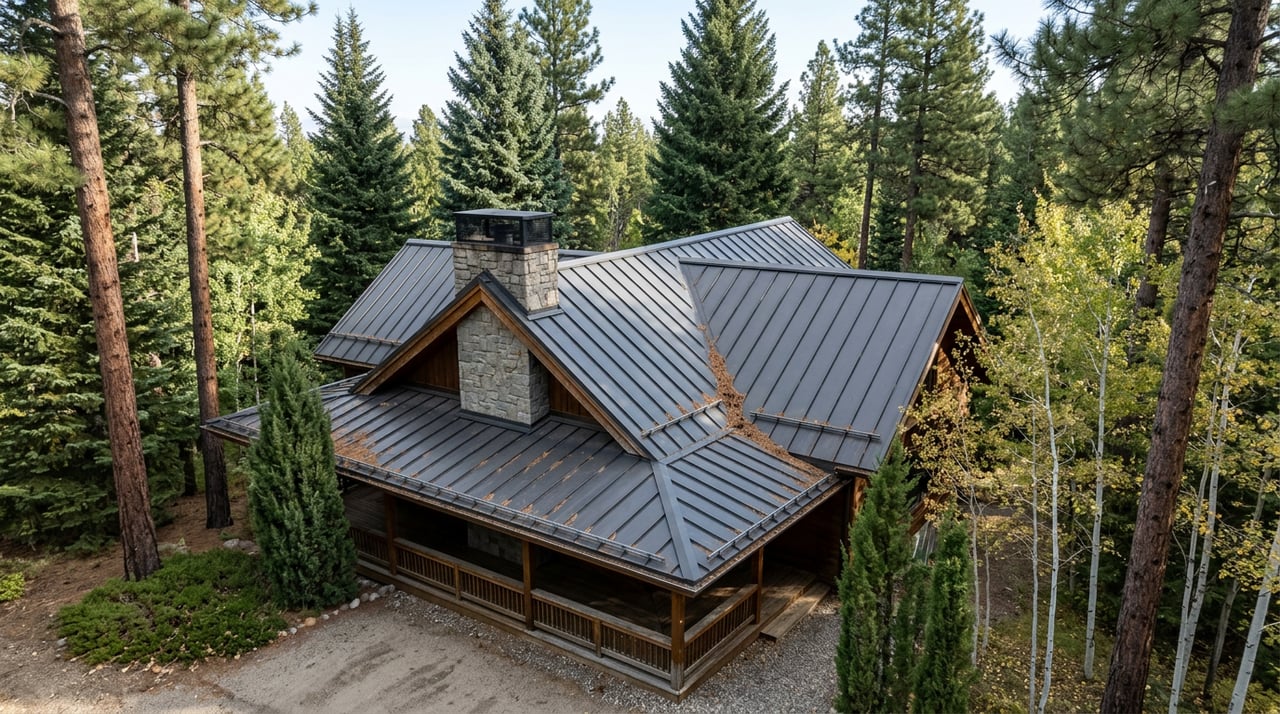
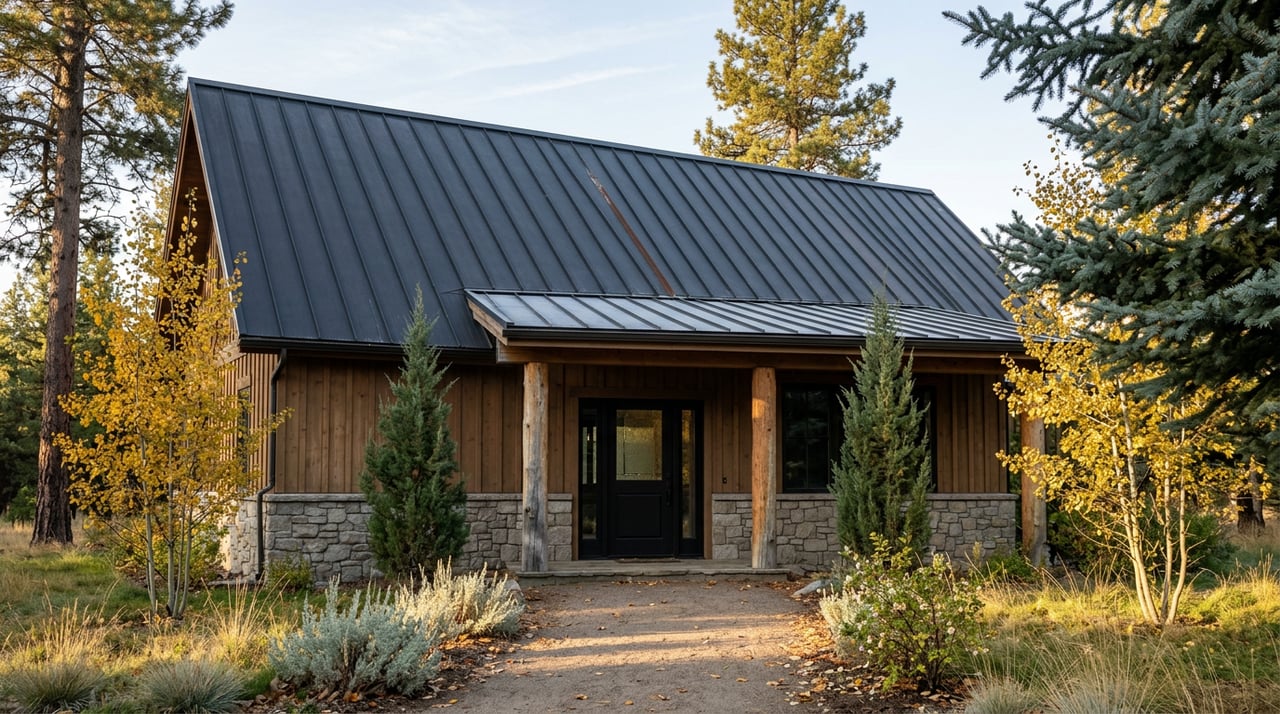
Florissant is set in a cold montane landscape with forests, meadows, shrubs, wildflowers, granite outcrops, and abundant wildlife. That natural setting is a big part of the appeal, but it also means each parcel can function very differently depending on terrain and site conditions.
Current listings show a wide range of property sizes, from roughly 1-acre homesites to 35-plus-acre ranch parcels. In practical terms, you are often choosing between smaller mountain lots, mid-size rural acreage, and larger ranch-scale land rather than one standard parcel type.
Start with zoning and minimum lot size
Zoning is one of the first filters to apply because it shapes what the property can support. In Teller County, common district types tied to Florissant-area acreage include A-1, RR, and R-1.
The county summary shows A-1 has a 35-acre minimum. RR generally requires 2 acres on slopes under 30% and 5 acres on steeper land, while R-1 may allow 0.5, 1, or 2 acres depending on slope. That means two properties with similar acreage can have very different rules and possibilities.
What zoning can tell you
Zoning helps you understand whether you are looking at a true ranch parcel, a rural-residential lot, or a smaller homesite. It also affects density, placement options, and whether certain agricultural or ranch-related uses fit the property.
If you are planning for horses, agricultural use, or outbuildings, this step matters even more. A property that looks ideal on paper may not align with your intended use once you review the district rules.
Check legal access before anything else
Access is one of the biggest make-or-break issues for acreage in Florissant. Teller County’s road system includes about 560 miles of roadway, and about 484 miles are gravel. The county also notes that some roads are not built to county standards and may receive only emergency access and maintenance until they are upgraded.
That is why you should not assume a parcel is build-ready just because you can drive to it once. You need to understand year-round drivability, snow conditions, and who is responsible for road maintenance.
Driveway and easement details matter
Teller County has specific driveway and access guidelines. Residential driveway openings are generally limited to about 20 feet, usually only one access is allowed per parcel, and access angles are expected to be close to 90 degrees.
If access crosses land you do not own, documented legal rights are required. If a route crosses federal land, formal authorization may also be needed. For acreage and ranch property, access easements are not a small detail. They are a core part of whether the land will work for your plans.
Evaluate the land, not just the acreage
A larger parcel does not always mean more usable land. In Florissant, usability often comes down to slope, soils, drainage, and how the build envelope fits with the terrain.
Teller County’s septic and building requirements make that clear. Septic applications require details about topography, wells on or near the property, setback locations, and a detailed soil profile analysis. Site drawings must show proposed structures, septic components, and other setback-sensitive features.
Why build envelope matters
When you walk a property, think beyond where a house might sit. Ask whether there is room for a driveway, well, septic system, garage, barn, corral, or other improvements without creating conflicts with setbacks, slopes, or drainage features.
This is especially important on meadow parcels or land near a creek or drainage way. Teller County states that structural development cannot occur within the 100-year floodplain without a Flood Plain Development Permit, and drainage easements may be required when development is crossed by a watercourse, drainage way, channel, or stream.
Verify well feasibility early
Water is a major part of rural property due diligence. In Colorado, well permits are issued through the Division of Water Resources, and review of complete new or replacement well applications may take up to 49 days.
Well permit files can show allowable uses and may include construction and pump-installation records. That makes it important to verify the actual permit status and permitted use rather than relying on verbal information.
Questions to ask about wells
- Is there an existing well permit on the property?
- What uses are allowed under that permit?
- Are construction or pump records available?
- If no well exists, what is the path and timeline for applying?
For many buyers, this step helps separate a promising parcel from one that may require more time and planning than expected.
Confirm septic and soils feasibility
Septic feasibility is just as important as water. Teller County Environmental Health handles OWTS, or septic, permits and inspections, and the process requires detailed information about soils, setbacks, topography, and nearby wells.
This means acreage value is not only about size. It is also about whether the site can physically support a home and wastewater system in the right location.
Why soils can change your plans
A parcel may have great views and plenty of acreage, but if soils, slope, or setbacks limit septic placement, your build options may shrink quickly. That is why many buyers treat raw land as a feasibility project first and a construction project second.
Teller County’s single-family dwelling permit application reinforces this approach. It requires items such as a site plan, driveway information, septic or wastewater information, and a site-specific soils report before a complete review can move forward.
Understand ranch and animal improvements
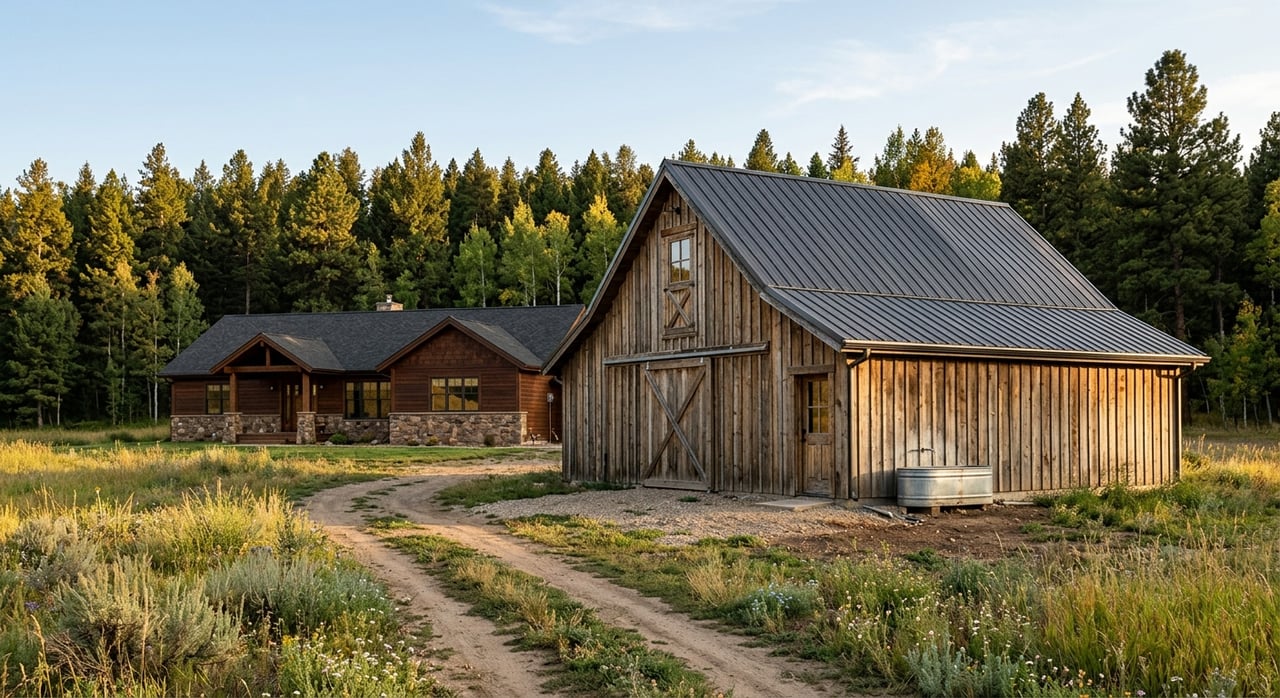
If you want a ranch-style property, look closely at what the county allows and where improvements can go. Teller County’s A-1 district allows agricultural uses including farming, forestry, and ranching, and it lists accessory structures such as corrals, chutes, hay sheds, and pole barns.
In RR, R-1, and R-1M districts, the code states that if two or more animals are kept, a barn or shelter is required. The lot may be fenced, and corrals, stalls, and barns must be at least 50 feet from property lines.
Permit details for agricultural buildings
Some agricultural buildings may be permit-exempt if they are solely for agricultural use and meet setback rules. Even then, code compliance still matters, and any electrical, mechanical, or plumbing permits still apply where required.
That means buyers should review both allowed uses and improvement placement early in the process. It is much easier to plan around these rules before closing than after.
Factor in wildfire readiness
Wildfire planning should be part of any Florissant acreage search. Teller County’s Community Wildfire Protection Plan states that homeowners, large landowners, subdivisions, and communities need to prepare for wildfire and develop local mitigation and evacuation planning.
For buyers with horses or livestock, this becomes even more practical. Defensible space, emergency vehicle access, and animal evacuation routes all matter when you are evaluating the property as a whole.
A smart wildfire checklist
- Look at driveway width and access for emergency response
- Consider defensible space around likely building sites
- Think through trailer access and evacuation routes for animals
- Review current local fire information and burn restriction practices
These are not just seasonal concerns. They are part of owning and using mountain acreage responsibly.
Know what can stop a building permit
One of the most important points for buyers is simple: not every parcel can move straight to building. Teller County’s building code states that the county will not issue a permit on a property that is an illegal subdivision, lacks adequate legal access or a required access permit, or has not obtained the required sewage-disposal permit.
That is a strong reminder to verify the fundamentals before you focus on house plans. If the parcel does not check the boxes for legal lot status, access, and wastewater approval, everything else can stall.
A practical way to compare Florissant properties
When you compare acreage and ranch options in Florissant, it helps to use the same framework for every showing. This keeps you focused on how the property functions, not just how it looks on first impression.
Your evaluation checklist
- Confirm the zoning district and minimum lot size rules
- Verify the parcel is a legal lot
- Review documented legal access and any easements
- Ask about road maintenance and year-round drivability
- Check well permit status and allowed uses
- Review septic and soils feasibility
- Identify floodplain, drainage, or setback constraints
- Confirm where barns, corrals, fencing, and driveways can go
- Consider wildfire mitigation and evacuation logistics
In Florissant, the best property is usually the one that matches your actual goals for building, recreation, animals, or long-term use. A scenic parcel is important, but usable land and clear feasibility are what turn a good idea into a workable purchase.
If you want help sorting through acreage, ranch, or buildable land options in Florissant, the local details matter. The team at High Country Realty brings hands-on Teller County experience with mountain access, lot-build questions, and the practical steps that help you evaluate land with confidence.
FAQs
What parcel sizes are common for Florissant acreage properties?
- Florissant listings often range from about 1-acre homesites to 35-plus-acre ranch parcels, so buyers may be comparing smaller mountain lots, mid-size acreage, and larger ranch-scale land.
What zoning should buyers check for Florissant ranch properties?
- Buyers should confirm whether the parcel is in A-1, RR, or R-1, because zoning affects minimum lot size, density, and what kinds of agricultural or ranch uses may be allowed.
What access issues matter for Florissant land purchases?
- Buyers should verify year-round drivability, road maintenance responsibility, driveway standards, and any legal easements or access rights before assuming the land is build-ready.
What should buyers verify about wells on Florissant acreage?
- Buyers should confirm whether a well permit exists, what uses are allowed under the permit, and whether construction or pump records are available through the state permit file.
Why is septic feasibility important for Florissant build lots?
- Septic feasibility matters because Teller County requires soils, setback, topography, and site information for OWTS permits, and those factors can limit where a home and other improvements can be placed.
What ranch improvements should buyers review in Teller County?
- Buyers should review whether barns, corrals, fencing, shelters, and similar improvements are allowed in the zoning district and whether they fit required setback rules, including the 50-foot setback for certain animal structures in RR, R-1, and R-1M districts.
How does wildfire planning affect Florissant acreage ownership?
- Wildfire planning affects property use by shaping defensible space, emergency vehicle access, and evacuation planning, especially for buyers who plan to keep horses or livestock.