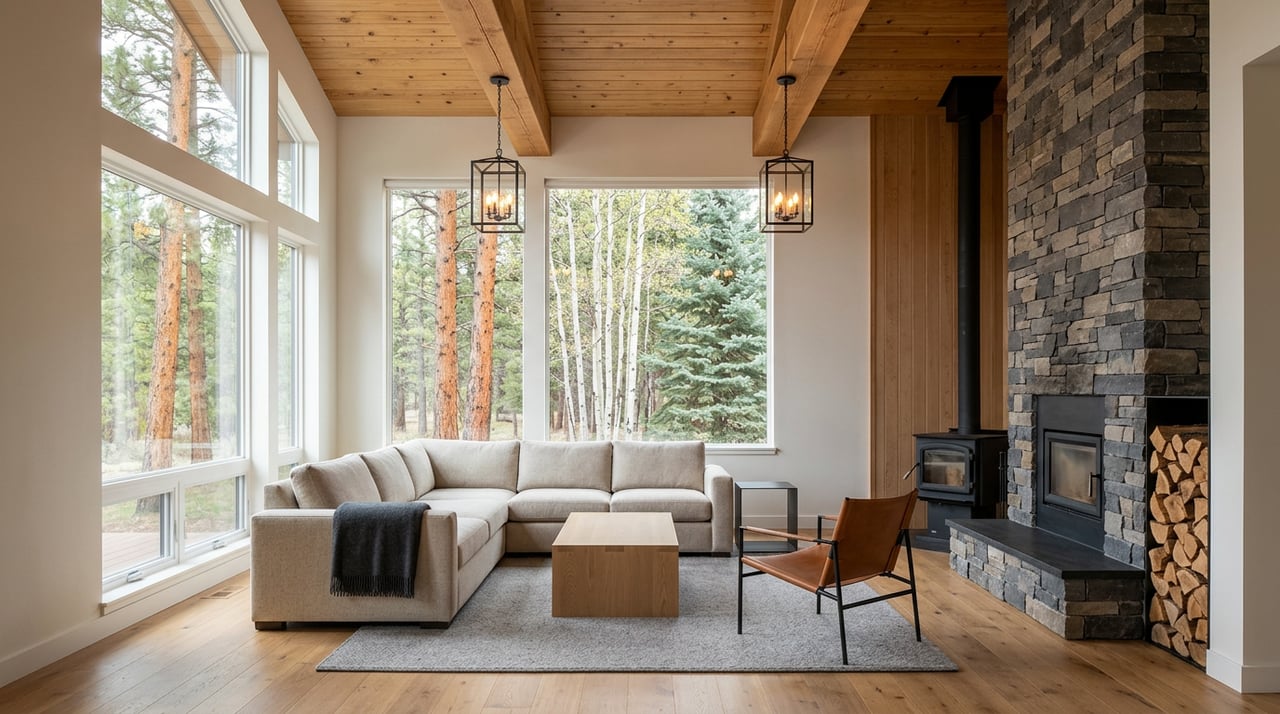
Picture this: a quiet morning on the South Platte, coffee in hand, and your cabin just minutes from Eleven Mile Reservoir. If you are thinking about a second home that feels remote yet still reachable for weekend trips, Lake George hits a sweet spot. This guide walks you through what to expect, from access and utilities to permits, wildfire, and short‑term rental rules, so you can plan with confidence. Let’s dive in.
Why Lake George works for second homes
Lake George sits in central Colorado’s South Park basin at roughly 7,900 to 8,000 feet. It is realistic for Front Range weekenders, at about 39 miles and roughly 40 minutes to Colorado Springs depending on traffic and weather. You can check the route using TravelMath’s Lake George to Colorado Springs estimate. Denver is commonly around two hours depending on route and conditions.
Outdoor access is the headline. You are near Eleven Mile Reservoir, Spinney Mountain Reservoir, and the famed Eleven Mile Canyon, all known for fishing and boating with seasonal rules and ramp schedules. If fishing is part of your plan, review current regulations and seasons on the Colorado Parks & Wildlife Eleven Mile page.
Lake George has a large supply of homes relative to year‑round residents. Census estimates show about 2,653 housing units and roughly 1,397 households. That suggests many homes are used seasonally, which can shape neighborhood activity and services. You can explore the area snapshot on Census Reporter’s Lake George profile.
What you will find on the market
Cabins and small dwellings
You will see rustic 1 to 2 bedroom cabins and historic structures on small to mid‑size lots. Many rely on wells and septic rather than municipal water and sewer, so plan to verify system age and condition during due diligence.
Single‑family homes on acreage
There are year‑round residences and updated cabins on larger parcels, often 2 to 20 acres or more. Acreage, views, and access can drive value as much as square footage. For a feel of current inventory, browse our Lake George neighborhood page.
Custom homes and ranch parcels
You will also find higher‑end custom homes and occasional ranch‑scale parcels. Luxury options exist but make up a smaller share of total listings.
HOAs and road maintenance
Many parcels have no HOA and limited municipal services. Always confirm whether roads are county, state, private, or HOA‑maintained, and understand any shared maintenance agreements.
Plan ahead: access, weather, and seasonality
Road conditions are a key checklist item. Park County notes that many roads are unpaved or lightly surfaced, and winter storms can make some areas difficult for days at a time. Review maintenance types and winter access expectations on Park County’s location page. A 4WD vehicle and a local snow‑plow plan can make a big difference.
Recreation timing matters as well. Spinney Mountain’s access and ramps are seasonal, and Eleven Mile has specific fishing and boating rules. If year‑round water recreation is important, confirm current season dates before you buy using the CPW Eleven Mile resource.
Water, septic, utilities, and permits
Wells and septic basics
Many Lake George homes use a private well and on‑site wastewater treatment system. Ask for well details, septic design, and transfer documents early. Park County Environmental Health outlines septic transfer and documentation expectations in its septic and OWTS FAQ. Budget for inspections and potential updates if systems are older.
Permits and past work
Confirm that structures were permitted and whether a Certificate of Occupancy exists. Also verify permitted bedroom counts, driveway access standards, and any additions or outbuildings. Park County’s Development Services is the authority for parcel‑specific permits and records. Start here: Park County Development Services.
Power, internet, and cell coverage
Connectivity varies by address. Rural Lake George properties may rely on fixed‑wireless, mobile hotspots, or satellite. Verify actual provider options and speeds at the property before you assume remote work or streaming will be seamless.
Remote management for out‑of‑area owners
If you will not be on site often, line up support for snow removal, trash, and maintenance. Park County’s short‑term rental application materials reference snow and trash plans for rentals, and the same ideas help second‑home owners keep things running smoothly.
Insurance, wildfire, and mitigation
Insurance markets have tightened in some Colorado mountain communities, particularly where wildfire or severe hail risk is elevated. Check insurability and quotes early in your process, and factor mitigation into your budget. Good steps include creating defensible space, using non‑combustible or ignition‑resistant materials where feasible, and confirming clear address signage for first responders. Your local fire protection district can advise on best practices for your specific parcel.
If you plan to short‑term rent
Lake George sits in unincorporated Park County. If you intend to operate a vacation rental, you must secure a county license. The county lists the full checklist, which typically includes a Colorado sales tax license, parcel and deed details, septic documentation, floor plan, parking plan, trash removal plan, snow plan, and a responsible agent for local response. Start with the county’s Short‑Term Rental page.
Maximum occupancy often ties to septic design capacity. Make sure your advertised occupancy matches both the septic system and parking plan. Park County has been evaluating revisions to its rules and fees. For the latest status, review the STR Ordinance Review page and confirm details directly with Development Services before you invest based on rental income.
Colorado’s marketplace facilitator law may shift some state tax collection to platforms, but owners remain responsible for compliance. Park County’s STR page notes the state sales tax license requirement. Build licensing, inspections, and compliance fees into your pro forma.
Furnish, winterize, and operate with fewer headaches
A second home is more enjoyable when it is easy to care for between visits. A few practical moves go a long way.
- Choose durable, washable finishes. Think washable linens, removable rugs, and limited heavy upholstery. Use ventilated storage for damp fishing or snow gear.
- Create a quick winterizing routine. Label shut‑off valves, insulate exposed pipes, and leave heat at a safe baseline when vacant. Post the checklist inside a utility closet.
- Add smart safeguards. Monitored leak detectors and a smart thermostat can prevent burst pipes and catch issues early.
- Designate a local contact. A property manager or trusted neighbor who can check in after storms reduces emergency calls and travel stress.
A simple buying checklist for Lake George
Use this as a starting point, then personalize with your agent.
- Access and roads: Confirm year‑round access, winter maintenance, and whether the road is county, private, or HOA maintained.
- Water and septic: Request well info and septic design, transfers, and the latest inspection. Make sure systems match your bedroom and guest plans. See Park County’s septic and OWTS FAQ.
- Permits and records: Verify building permits, additions, outbuildings, bedroom counts, and Certificate of Occupancy via Development Services.
- Recreation timing: If boating or fishing is key, check current seasons and ramp schedules at Eleven Mile and Spinney on the CPW resource.
- Connectivity: Confirm actual internet and cell coverage at the address, not just the neighborhood.
- Insurance and mitigation: Get quotes early and budget for wildfire‑resilient upgrades.
- STR intent: If renting, review the county’s STR page and ordinance updates. Align occupancy with septic capacity and parking.
Ready to explore? We will guide you
If Lake George feels like the right base for your weekends and seasons, you deserve a local partner who knows the terrain, the permits, and the lifestyle details that make a mountain home work. Our team combines neighborhood knowledge with hands‑on coordination for wells, septic, access, and acreage. When you are ready to tour cabins, evaluate parcels, or map out an STR plan, reach out to High Country Realty. We will help you buy with clarity and confidence.
FAQs
How far is Lake George from Colorado Springs for weekend trips?
- It is about 39 miles and roughly 40 minutes depending on route and weather, based on TravelMath’s estimate.
What do Lake George septic and well systems mean for guests at a second home?
- Ask for the septic design and recent inspection; occupancy should match system capacity, and Park County outlines septic transfer and documentation in its OWTS FAQ.
Is winter access reliable on rural roads near Lake George?
- Many county roads are unpaved and may be difficult after storms, so confirm maintenance types and plan for snow removal; see Park County’s location overview for context.
Can I operate an Airbnb or VRBO in unincorporated Park County near Lake George?
- Yes, but you must hold a Park County STR license and meet documentation and occupancy rules; check the STR page and ordinance updates for the latest.
Where can I confirm fishing seasons and rules for Eleven Mile and Spinney before I buy?
- Review current season dates, fishing limits, and ramp schedules on the Colorado Parks & Wildlife Eleven Mile page.