Thinking about buying in Victor’s historic mountain district? This is not the kind of place where you shop for rows of newer homes and wide suburban lots. Victor offers something different: a small, high-elevation town with deep mining history, century-old buildings, and a downtown streetscape that still reflects its turn-of-the-century roots. If you want to understand what that means for your home search, ownership plans, and day-to-day living, you are in the right place. Let’s dive in.
What Makes Victor Distinct
Victor is a statutory city in Teller County at about 10,000 feet above sea level, and the city describes it as a well-preserved mining town with a tourism-based economy. According to the City of Victor, the town had a population of 379 at the 2020 census and sits within one of the nation’s most significant gold mining areas, with Victor and Cripple Creek forming the second-largest gold mining district in the United States.
That history is not just a backdrop. It is built into the streets, lot patterns, and architecture you will see as you walk through town. The Victor Downtown Historic District was listed on the National Register of Historic Places in 1985, and it remains a defining part of the community’s identity.
Where The Historic District Is
If you are trying to picture the district, the Victor Heritage Society describes it as roughly bounded by Diamond Avenue, 2nd Street, Portland Avenue, and 5th Street. The National Register nomination notes that the district contains 66 buildings that make up Victor’s commercial core.
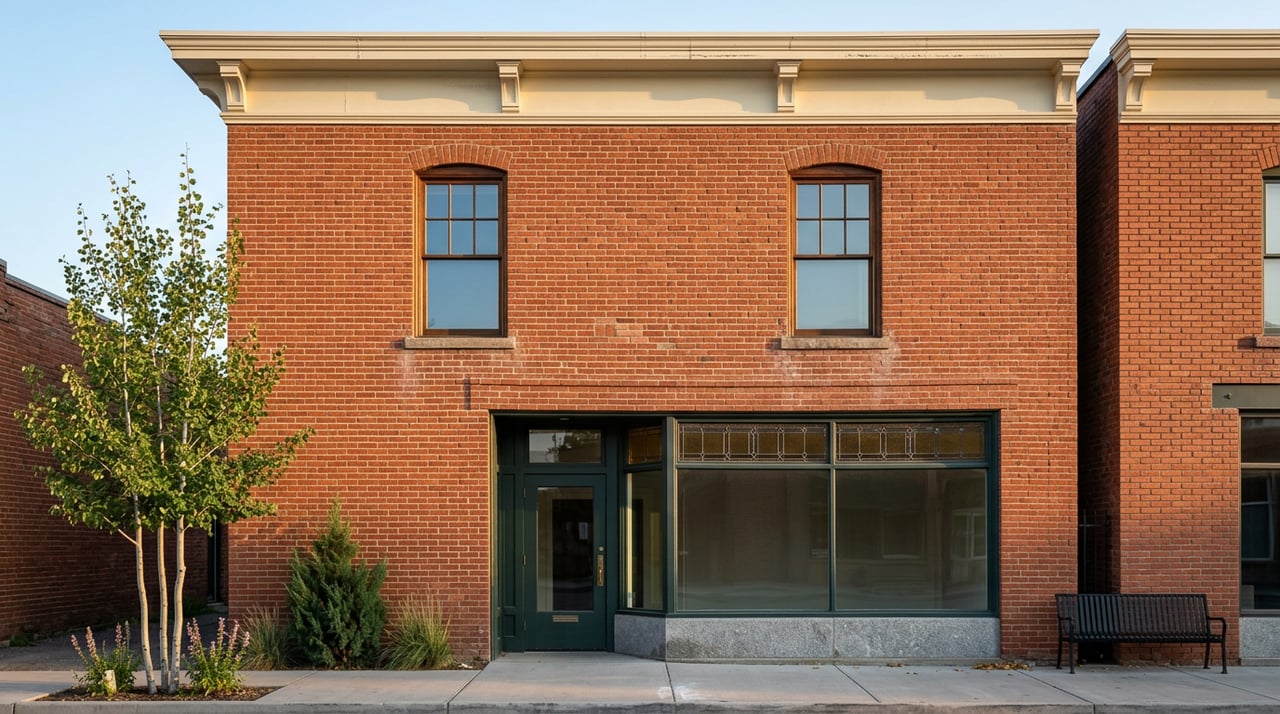
A major reason downtown feels so cohesive today is the rebuilding that followed the 1899 fire. Heritage materials explain that much of the area was reconstructed in brick rather than wood frame, which helped shape the consistent historic character you still see in the commercial blocks.
What Homes In Victor Typically Look Like
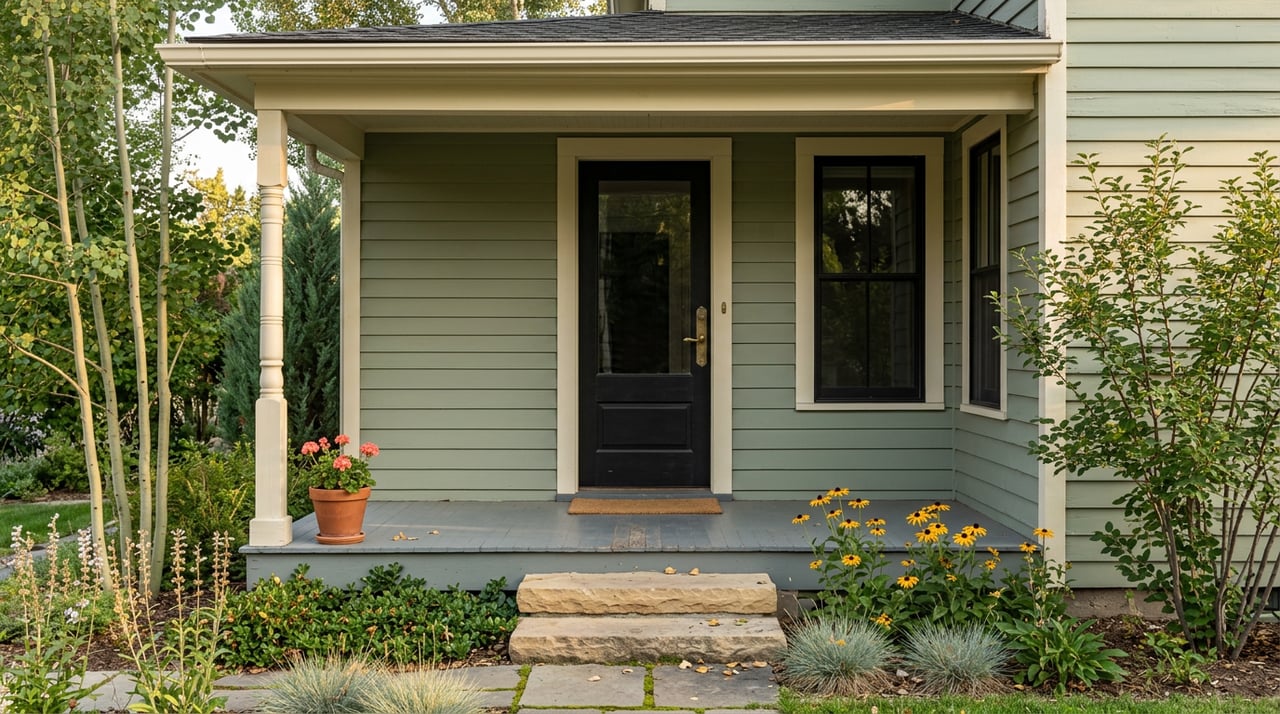
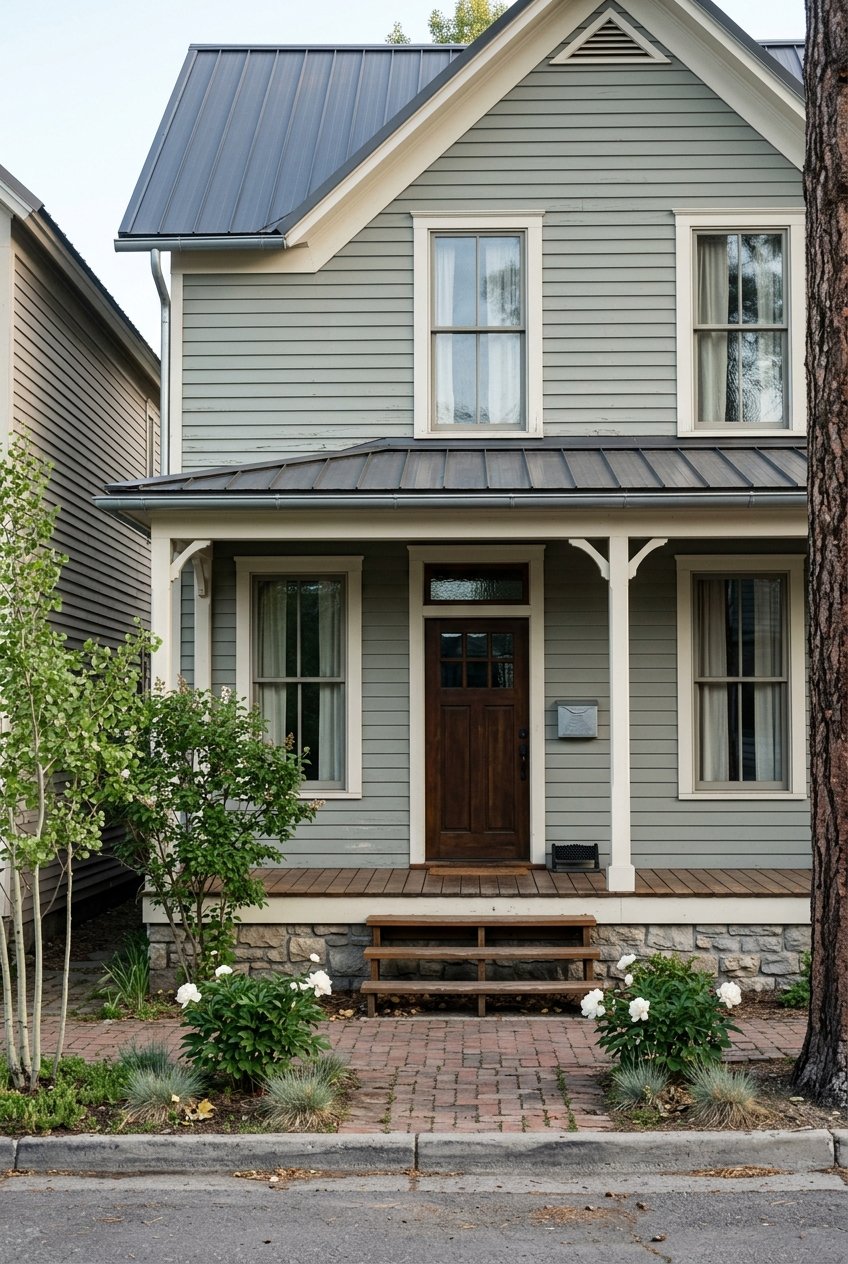
Buying in Victor often means buying something older, smaller-scale, and full of original detail. The Victor Heritage Society highlights a mix of log cabins, gabled houses, hipped box houses, Queen Anne homes, and Edwardian Vernacular homes.
Many of these properties are more than a century old. Common features include woodframe construction, clapboards, cornerboards, porches, decorative shingles, and original double-hung windows. In the downtown commercial area, you are more likely to see brick parapets, corbeling, storefronts, and other turn-of-the-century design elements.
Expect Older Housing, Not New Inventory
If you are coming from a market where newer construction is common, Victor may feel very different. The city’s planning materials explain that the original town plat used 25-by-125-foot lots with alleys and a street grid that created compact, walkable blocks.
Those same planning documents also note that most existing homes are nonconforming under current residential code and that only three new homes were built in 15 years. In practical terms, that means your search in Victor is much more likely to focus on older homes and historic buildings than on recently built inventory.
Why Buyer Fit Matters Here
Victor tends to appeal to buyers who want character and context, not just square footage. If you enjoy the idea of owning a home that is part of a living historic fabric, this setting can be very appealing.
The fit may be less natural if your priority is a larger contemporary build or broad freedom to reshape a property’s exterior. Because Victor’s built environment is older, more compact, and shaped by preservation-minded local rules, it helps to be clear early on about your goals.
What To Know About Preservation Review
One of the most important parts of buying in Victor’s historic mountain district is understanding that exterior work may involve local review. The city’s municipal code says the Historic Preservation Overlay Zone District overlays the Commercial Zone District and exists to preserve historic character while keeping new development consistent with Victor’s historic appearance.
For contributing structures, new construction or exterior renovation or alteration that requires a building permit is subject to historical appropriateness review. The city’s design guidelines may also be considered. You can explore the city’s historic preservation resources to learn more before you buy.
Because preservation sources are not perfectly aligned on every detail of scope, the safest approach is simple: verify parcel-specific rules with city staff before planning exterior changes. That step can save you time, money, and frustration later.
What You May Be Able To Change
Historic ownership does not mean a home is frozen in time. It does mean you should ask good questions before making changes, especially to visible exterior features.
A smart buyer will want to confirm:
- Whether the property is a contributing structure
- Whether the planned work requires a building permit
- Whether exterior changes will need historical appropriateness review
- Which design guidelines may apply to the parcel
This matters for projects like siding, windows, porch work, additions, storefront changes, and other exterior updates. Interior plans may involve a different review path, but you should still confirm details with the city before assuming anything.
Can You Improve Efficiency In A Historic Home?
Yes, efficiency upgrades may still be possible. According to the National Park Service rehabilitation standards, updates can be made in ways that do not diminish a property’s historic character.
That is encouraging for buyers who want better comfort in a mountain climate without losing what makes an older home special. The key is planning improvements carefully so they remain compatible with the home’s materials, features, and overall appearance.
Does National Register Listing Restrict Owners?
This is one of the most common points of confusion. A property’s inclusion on the National Register does not, by itself, create automatic protection from change or demolition.
As History Colorado explains, National Register or State Register listing may open the door to certain tax credits or State Historical Fund grants, but listing alone does not automatically prevent an owner from altering or demolishing a property within existing local regulations. In other words, local rules matter most in day-to-day ownership decisions.
Financial Incentives May Be Worth Exploring
Depending on the property and your plans, there may be preservation-related financial incentives worth reviewing. History Colorado notes that some National Register or State Register properties may be eligible for tax credits and State Historical Fund grants.
Victor also has a Downtown Housing Incentive Program that supports property owners in the C-1 Commercial Zone who are creating new long-term housing units within existing downtown buildings. The city says the program can assist with rehabilitation or construction that improves safety, habitability, and energy efficiency while supporting the historic downtown core.
What Daily Life Feels Like In Victor
Victor’s appeal is not only architectural. It is also about the feel of a small mountain town with a strong sense of place.
The city says Victor is an officially designated National Main Street community, and Victor Main Street is a volunteer-led municipal commission focused on enhancing the historic downtown business district. City materials also highlight clean, cool mountain air and more than 300 days of sunshine, while local heritage groups point to house tours, Gold Rush Days, oral history work, and preservation efforts as part of civic life.
For many buyers, that creates a lifestyle that feels more connected to place than a typical plug-and-play subdivision. You are buying into a town with visible history, active preservation efforts, and a compact pattern of development that has stayed remarkably intact.
Smart Questions To Ask Before You Buy
When you tour homes in Victor, it helps to look beyond finishes and staging. Older housing stock and a historic setting call for a little more upfront due diligence.
Here are a few practical questions to keep in mind:
- What era was the home built in, and what original features remain?
- Is the property within an area where exterior work may face historic review?
- Have past renovations changed important historic materials or details?
- What maintenance items come with older woodframe or masonry construction?
- Does the lot size and alley layout affect parking, access, or future plans?
- If you want updates, which projects are most likely to need city review?
These are exactly the kinds of questions that matter in mountain towns with older housing and limited new construction. A little homework upfront can help you buy with more confidence.
Why Local Guidance Helps In Victor
Victor is a small market, but it asks buyers to think carefully. Historic character, older homes, compact lots, and local review processes all shape what ownership looks like here.
That is why local context matters. When you understand how a property fits into Victor’s historic fabric, you can make better decisions about value, renovation potential, and whether the home truly matches your goals.
If you are considering a home in Victor’s historic mountain district, High Country Realty can help you evaluate the property, the location, and the practical details that come with buying in a unique Teller County market.
FAQs
What is Victor’s historic mountain district known for?
- Victor’s historic area is known for its preserved mining-town character, turn-of-the-century streetscape, and the Victor Downtown Historic District, which was listed on the National Register of Historic Places in 1985.
What types of homes can you find in Victor, Colorado?
- Buyers in Victor may find log cabins, gabled houses, hipped box houses, Queen Anne homes, and Edwardian Vernacular homes, many of which are more than 100 years old.
Do exterior changes to homes in Victor require historic review?
- Exterior work on contributing structures that requires a building permit may be subject to historical appropriateness review, so buyers should confirm parcel-specific requirements with the city before planning changes.
Does National Register listing limit what a Victor property owner can do?
- No, not by itself. History Colorado says National Register listing offers no automatic protection, so local regulations are the key factor in what changes may be allowed.
Are there incentives for restoring historic property in Victor?
- Possibly. Some listed properties may qualify for tax credits or grants, and Victor’s Downtown Housing Incentive Program may assist eligible long-term housing projects within existing downtown buildings in the C-1 Commercial Zone.