Imagine stepping outside to Pikes Peak glowing pink at sunrise, grabbing coffee on Manitou Avenue, and deciding whether today is for gallery hopping or a quick hike. If you are curious about what it really feels like to live in Manitou Springs all year, you are not alone. In this guide you will get a clear picture of neighborhoods, daily life, outdoor access, costs, and practical tips for moving in. Let’s dive in.
Where Manitou Springs sits
Manitou Springs sits at the eastern end of Ute Pass, right at the base of Pikes Peak and just west of Colorado Springs. It is a compact mountain town with about five thousand residents and a tight footprint shaped by Fountain Creek and the foothills. The elevation is roughly 6,300 to 6,400 feet, which brings four true seasons and big sky views. You feel close to nature without losing access to city services. Learn more about the town’s setting and snapshot.
Neighborhoods and homes
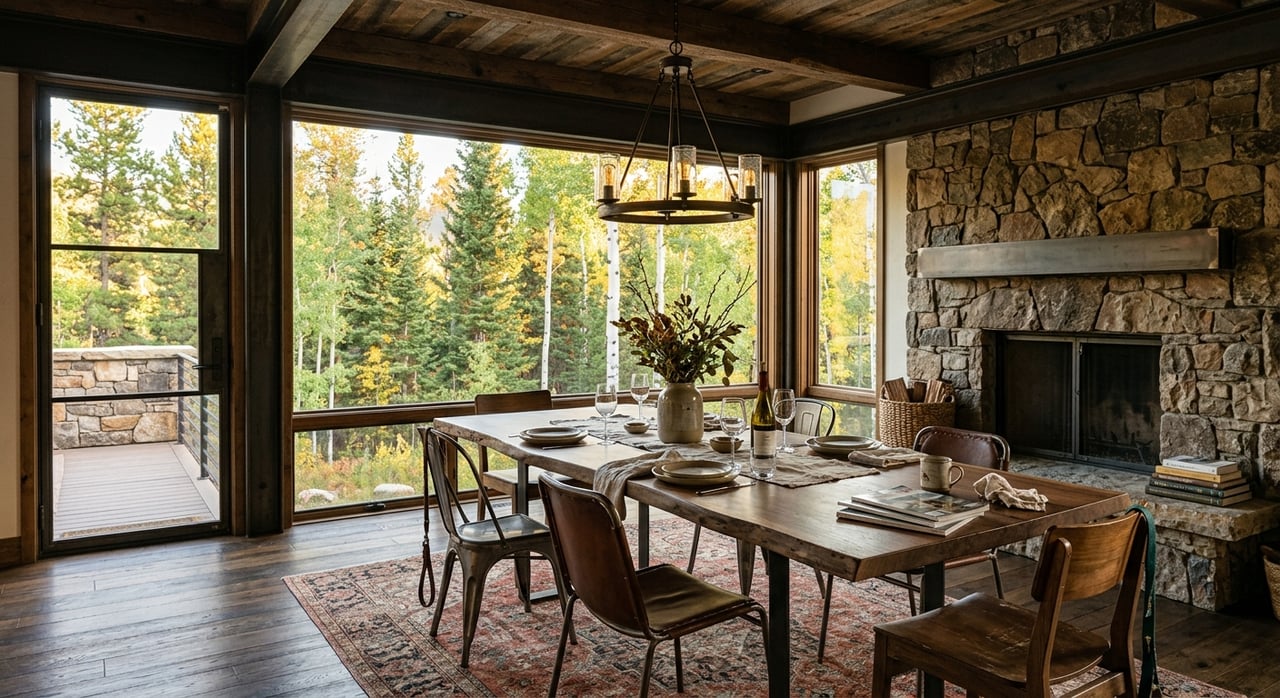
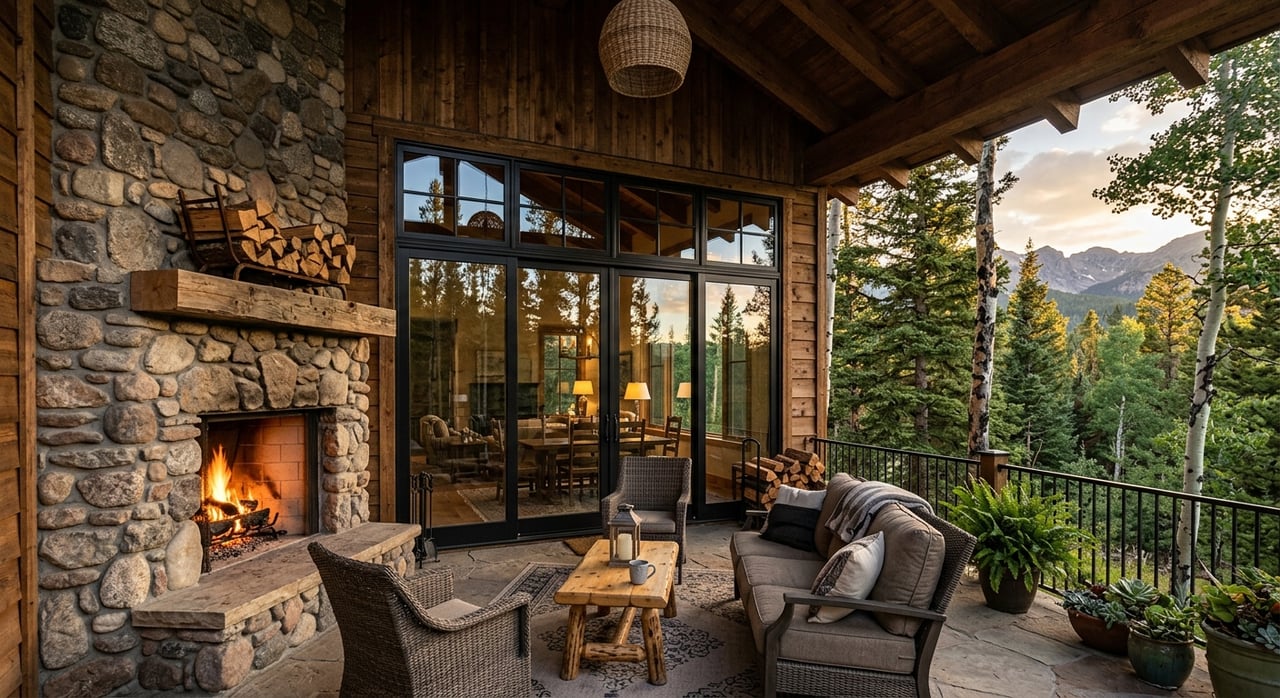
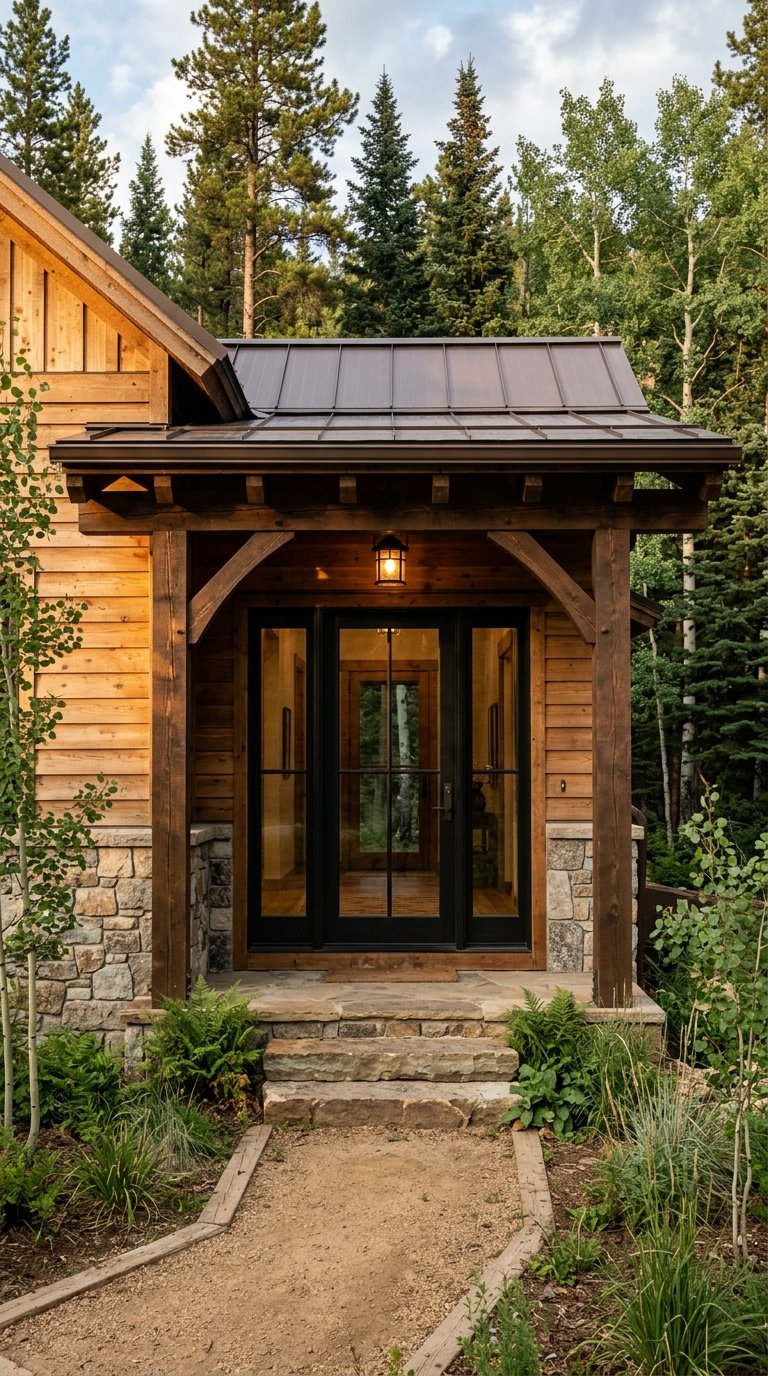
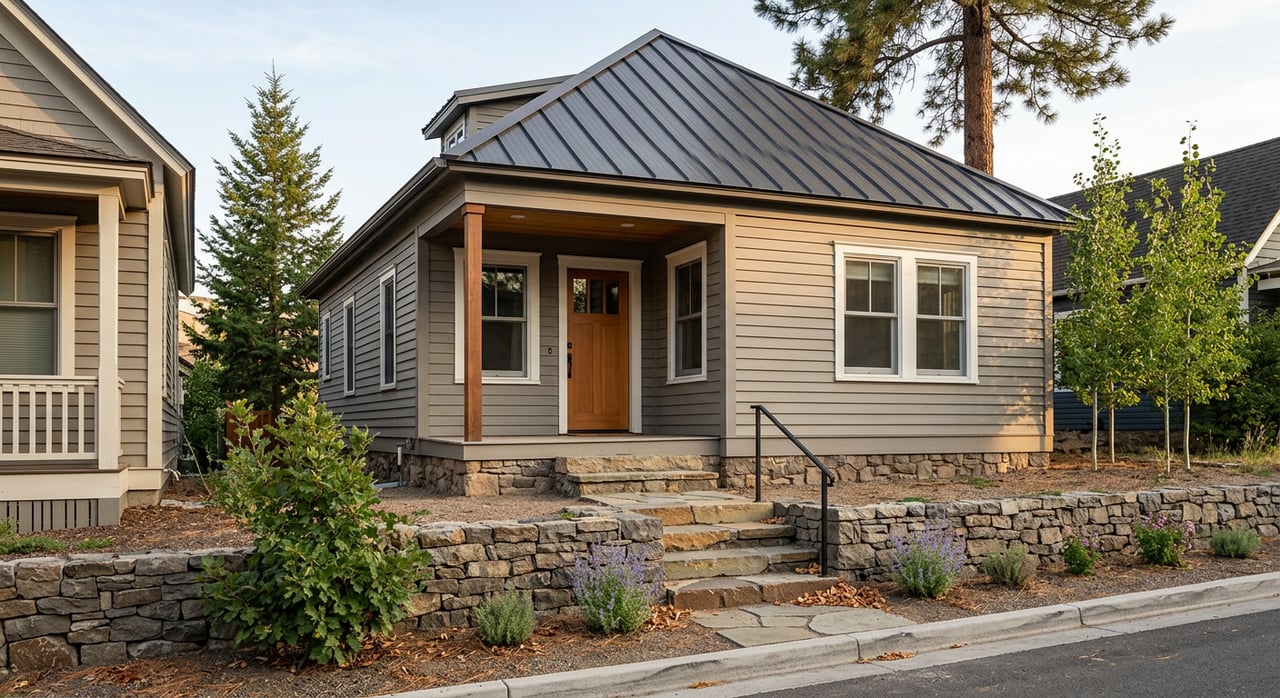
You will find a wide mix of housing styles in Manitou. The historic core holds late 19th and early 20th century Victorians and cottages on smaller lots. Up the hills, you will see cabins, mid century homes, and custom builds with bigger views and steeper driveways. There are also a handful of condos and townhomes, mostly near the center of town. The result is a broad range of sizes, settings, and price points that change block by block.
Much of central Manitou sits within a local historic preservation framework. If you buy a home in the historic district, some exterior changes will likely need review by the City’s Historic Preservation Commission. That review adds steps and timelines, and in some cases there are incentives for appropriate restoration. If you plan to renovate, it helps to understand the process early and work with experienced contractors. You can read the City’s guidance on the Historic Preservation Commission.
Pricing and market signals
Because Manitou is small, market medians can swing month to month. Different data trackers show very different figures at any given time, and individual listings range widely by size, condition, and views. As of 2024, you will still see smaller historic cottages in the lower price bands while larger hillside and turnkey historic homes reach into the higher ranges. Well situated properties can exceed one million dollars. Check current MLS data for the latest numbers and ask for a neighborhood level view.
Site and maintenance factors
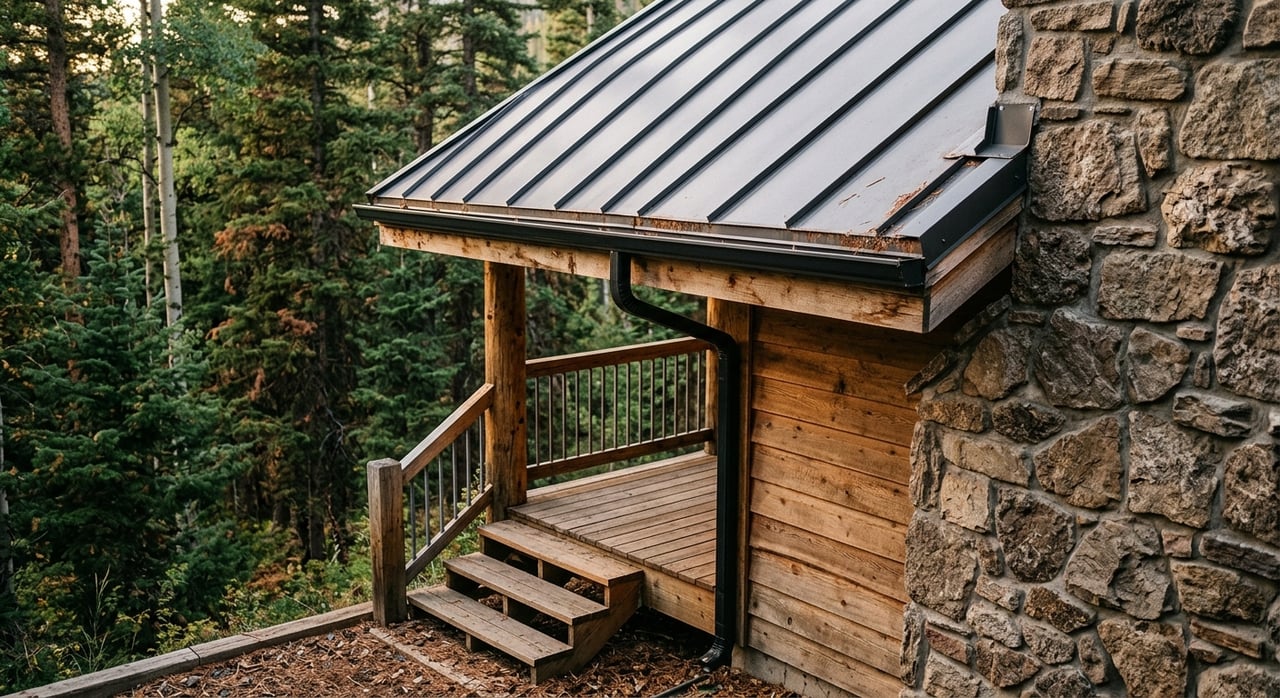
Geography is part of daily life in Manitou. Steeper lots, retaining walls, drainage details, and narrow streets are common, especially uphill from the core. In winter you may be clearing a steeper driveway more often, and older foundations and hillside construction can add complexity to renovations. When you inspect or improve a property, look for local teams who understand foothill homes and wildfire wise practices. A community wildfire plan highlights the town’s terrain and considerations for steep sites, fuels, and access. You can review the community wildfire planning document for Manitou Springs for useful context.
Everyday life downtown
Manitou Avenue is the heartbeat of town. Within a few blocks you can browse independent galleries, pick up a snack, and meet friends for dinner. The retail mix leans creative and local, with an arts scene you can feel on a Tuesday morning just as much as during a weekend festival. Explore the town’s arts listings to get a sense of the gallery and creative scene.
Weekends, especially in summer, draw more visitors. That brings energy and choice to your doorstep, along with a bit more foot traffic. Signature community events like the Commonwheel Arts & Crafts Festival and Carnivale add to the rhythm. To plan around the busy dates or jump in as a resident, check the year round events calendar.
Locally loved spots round out the daily routine. The classic penny arcade, a soak at SunWater Spa, and neighborhood cafes make it easy to enjoy a short walk for errands or treats. If you live near the core, many day to day needs are a simple stroll.
Outdoors on your doorstep
Living in Manitou puts trailheads in your backyard. The Manitou Incline is a legendary stair climb with roughly 2,700 to 2,800 steps that gain about 2,000 feet in under a mile. It is a daily training ground for many locals. To manage crowds and safety, there are reservation and parking protocols for peak times. Get the latest details from the Manitou Incline guide.
For bigger days, Barr Trail starts right in town and is the classic hiking route to the summit of Pikes Peak. It is a strenuous, all day objective that defines the area’s mountain culture. Learn more about the route on the U.S. Forest Service Barr Trail page.
On lighter days, Garden of the Gods and Red Rock Canyon Open Space are minutes away, with miles of walking, running, and casual climbs. Many residents rotate among these parks during the week, then save big hikes for weekends or cooler mornings.
Getting around and commuting
Manitou is functionally next door to Colorado Springs, which makes commuting straightforward for many households. Depending on traffic and where you are headed, typical drive times to central Colorado Springs often range from about 10 to 25 minutes. Many residents also head into the Springs for larger retail and medical visits.
Transit options exist but are limited. Mountain Metro Transit connects Manitou to the regional network, and seasonal shuttles support popular trailheads. Most households still rely on a car for flexible daily life and off hours trips. For accessibility notes and route context, see the regional transit summary.
Parking is a common question. Downtown street parking and trailhead lots can be tight on weekends and during events. If you plan to live close to Manitou Avenue, it helps to know your block’s parking rules and guest options.
Schools, healthcare, and services
Manitou Springs School District 14 serves the town and nearby communities like Crystal Park and parts of Ute Pass. The district is smaller in size and offers a neighborhood school experience with district choice options. For official information on enrollment and programs, visit the Manitou Springs School District site.
For hospitals and specialty care, most residents use facilities in Colorado Springs. UCHealth Memorial Hospital Central and other major systems are a short drive away. You can review services and directions on the UCHealth Memorial Hospital Central page.
Local police and fire serve the town, and emergency response ties into regional resources. If you have specific medical needs, factor drive times and winter road conditions into your planning.
Seasons and community rhythm
Manitou is lively year round. Spring brings festivals and the first big hiking days. Summer is high season with busy patios, active trailheads, and more visitors. Fall is crisp and colorful. Winter often brings quieter weekdays and sunny, cold bluebird days. Most storms melt quickly at this elevation, but uphill homes may see more snow days than properties near Manitou Avenue.
The event calendar is a helpful way to track community rhythm. Peek at the city’s events page to mark the weekends you want to join or plan around.
Who Manitou fits best
- You want a walkable, arts forward downtown with coffee, galleries, and dining a few blocks away.
- You love immediate access to trails and do not mind steep grades, stairs, and an occasional 6 a.m. start.
- You are comfortable with older homes or hillside construction and the maintenance that can come with them.
- You like small town feel with fast access to a larger city’s services.
- You do not mind summer weekends that feel busier around the core.
Buying or selling tips
- If you are considering a historic home, budget time for exterior review and permits through the Historic Preservation Commission. Early planning helps.
- For hillside properties, get inspections that focus on drainage, retaining walls, and foundation health. Use contractors who work regularly in foothill settings. The community wildfire plan offers helpful context on terrain and mitigation.
- Ask for a block by block parking and winter access snapshot. Practical details like driveway slope and snow removal matter here.
- For pricing, request a hyper local market analysis. In a small town, medians can be misleading. You want a comp set that matches your home’s age, setting, and access.
Ready to talk strategy for a Manitou move, a lifestyle second home, or listing your property with full service marketing? Reach out to the local-focused team at High Country Realty for practical guidance and a smooth, well supported process.
FAQs
Is Manitou Springs walkable year round?
- Yes, especially near Manitou Avenue where many shops and cafes cluster within a few blocks, though hills and winter conditions can add effort on side streets.
What is the commute time to downtown Colorado Springs from Manitou?
- Typical drive times often range from about 10 to 25 minutes depending on traffic, route, and event days.
How hard is the Manitou Incline and do I need a reservation?
- The Incline climbs roughly 2,700 to 2,800 steps and gains about 2,000 feet in under a mile, with reservation and parking guidance at peak times noted in the official Incline guide.
Are home renovations restricted in Manitou’s historic district?
- Many exterior changes within the historic district require City Historic Preservation Commission review, so plan timelines and scope with the HPC guidance in mind.
What are typical home prices in Manitou Springs?
- Because the town is small, medians vary by month and data source; smaller cottages appear in lower price bands while larger hillside or turnkey historic homes often run into higher ranges, with top listings exceeding one million dollars.
What public schools serve Manitou Springs?
- Manitou Springs School District 14 serves the town and nearby communities; find enrollment and program details on the district website.
Where do residents go for hospital care?
- Most residents use hospitals in Colorado Springs, including UCHealth Memorial Hospital Central, which is a short drive from Manitou Springs.