Looking for a place where daily life feels quieter, slower, and closer to the outdoors? Divide, Colorado offers exactly that, but it also comes with real tradeoffs you should understand before you buy or sell here. If you are wondering what it is actually like to live in Divide day to day, this guide will walk you through the pace, services, housing, commuting, and lifestyle so you can decide whether it fits your goals. Let’s dive in.
What Daily Life in Divide Feels Like
Divide is a very small unincorporated community in Teller County, with a 2020 Census population of 143. Even though it is small, Teller County identifies Divide as a designated growth area around the US 24 and SH 67 intersection, with public services and limited heavier commercial uses.
In practical terms, that means Divide feels more like a rural mountain community than a busy town center. You are more likely to notice open space, forested surroundings, and a slower rhythm than dense development or a long strip of stores.
Teller County’s land-use pattern helps explain that feel. More than half of the county is public land, and much of the remaining developable land is zoned residential or agricultural, with subdivisions spread throughout the area.
For you, that often translates into more privacy, more space, and a stronger sense of self-sufficiency. It is a lifestyle that tends to appeal to people who want room to breathe and easy access to nature.
Why Buyers Choose Divide
Many buyers are drawn to Divide because it offers a clear lifestyle tradeoff. You get quiet mountain living, scenic surroundings, and outdoor access, while giving up some of the convenience and variety that come with larger towns.
That balance can be a strong fit if you value peace and elbow room over being close to a dense commercial district. It can also appeal to second-home buyers, relocation buyers, and anyone who wants a home base that feels more retreat-like than suburban.
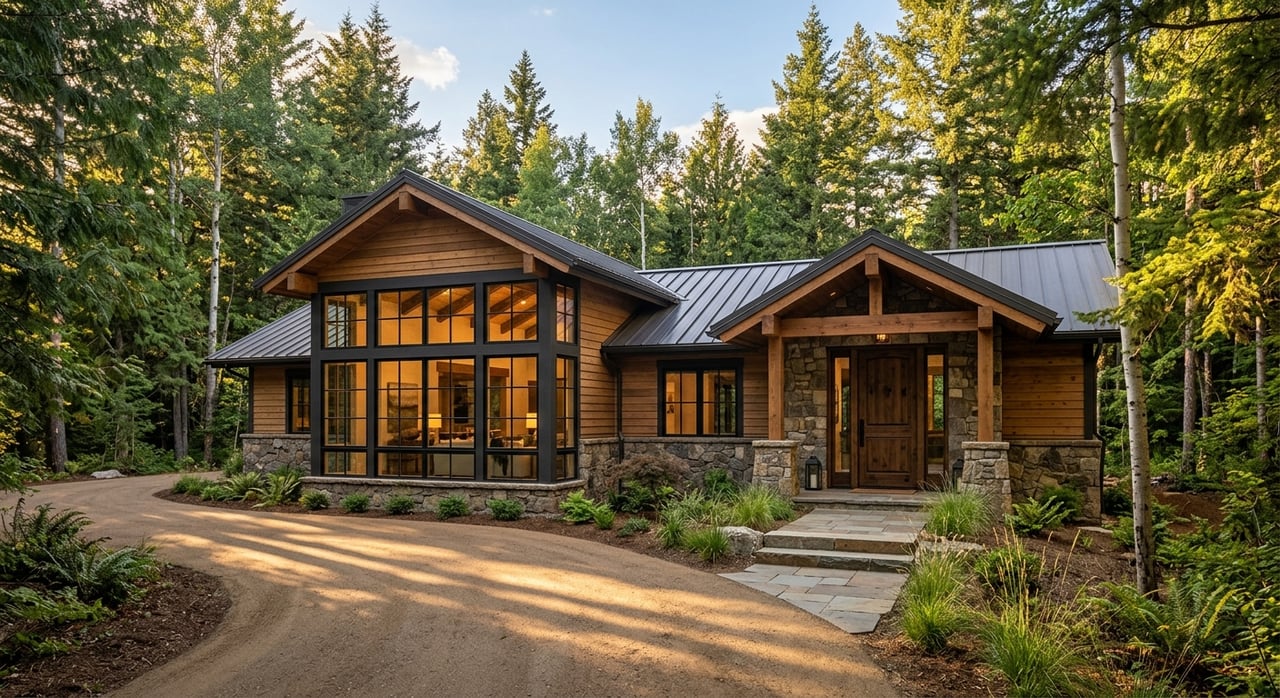
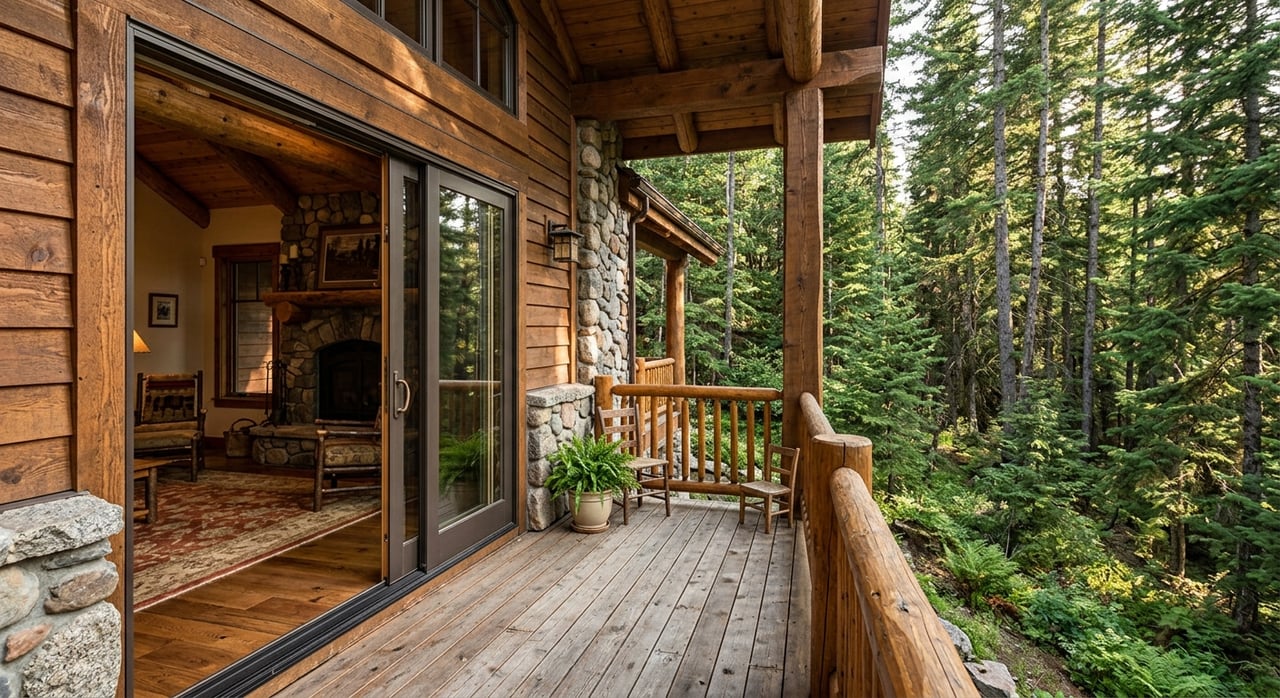
Colorado tourism describes Divide as a place of rustic cabins, spacious ranches, and beautiful mountain homes. That description lines up with the county’s broader development pattern, which is shaped more by terrain and larger lots than by compact neighborhood design.
Housing in Divide
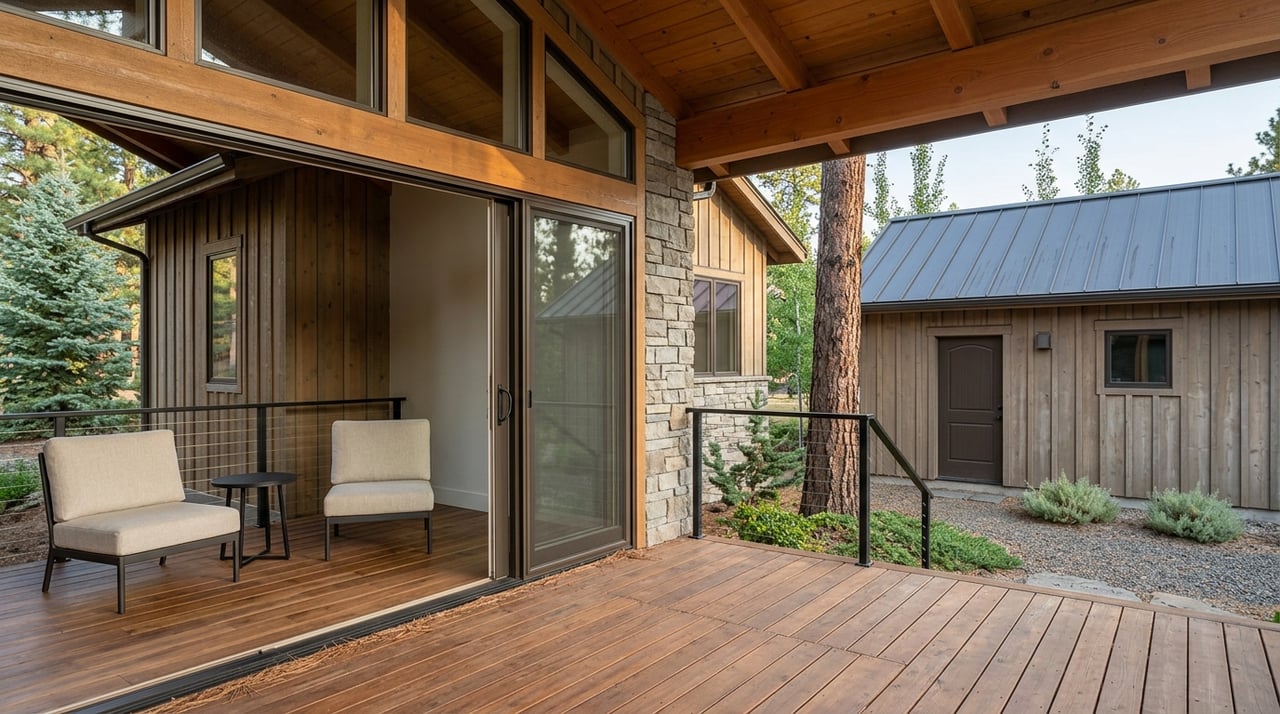
If you are picturing a typical suburban subdivision, Divide may feel very different. The housing mix is better described as cabins, acreage homes, ranch-style properties, and mountain homes on larger lots.
That matters because the home search here is often about more than bedroom count or finishes. In Divide, buyers also pay attention to access, land, privacy, and how the property fits into a mountain setting.
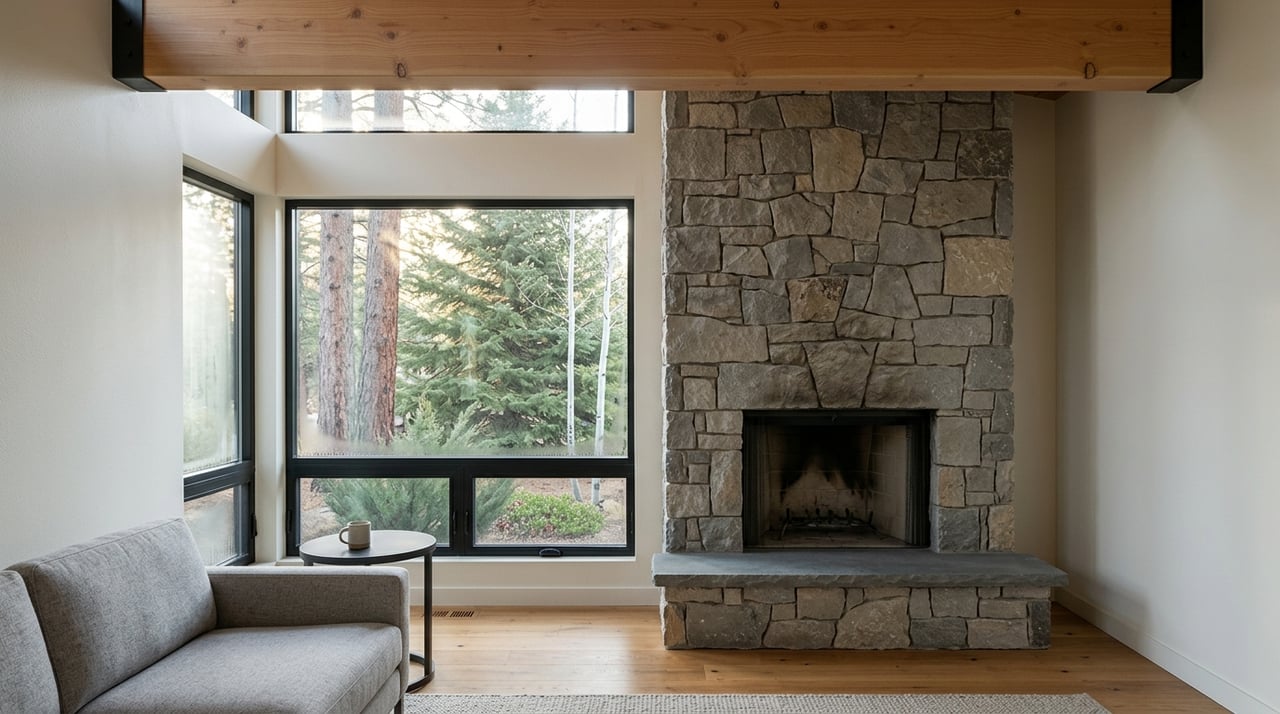
For sellers, that means lifestyle presentation matters. Buyers are often looking not just at the house itself, but at the full experience of the property, including space, setting, and connection to the outdoors.
Errands and Everyday Convenience
Daily essentials are available in Divide, but the local service base is still limited. You can handle some routine needs in town, though you should expect a smaller selection than you would find in Woodland Park or Colorado Springs.
The Market at Divide, located on US Highway 24, offers groceries and basic shopping needs including produce, meat, deli service, coffee, and liquor. That gives residents a practical in-town option for many day-to-day stops.
Divide also has a USPS post office on Hybrook Road South. For healthcare needs, the local Peak Vista health center offers medical care, dental care, behavioral health services, lab testing, and telehealth.
Dining exists on a local scale too. Current options in Divide include McGinty’s Wood Oven Pub, Russ’ Place, and Paradox Beer Company, which support casual meals, takeout, and local social time without requiring a drive into a larger town.
Woodland Park Often Fills the Gap
Even with useful local services, many Divide residents still rely on Woodland Park for a wider range of shopping, dining, and daily errands. Divide is connected to Woodland Park by the US 24 corridor, and that relationship is an important part of daily life here.
If you are moving from a larger metro area, it helps to set expectations early. Divide can cover the basics, but many households still plan regular trips for a broader choice of stores and services.
That does not make Divide inconvenient for the right buyer. It simply means your routine is more car-based and more intentional than it might be in a denser town.
Getting Around Divide
Divide is best understood as a car-oriented mountain community. Most residents depend on driving for work, errands, dining, and regional services.
Colorado tourism places Divide about 25 miles west of Colorado Springs. Teller County also ties Divide directly to the US 24 and SH 67 intersection west of Woodland Park, which makes those routes central to daily movement.
If you do not want to drive every trip, there is another option. Teller Senior Coalition’s TSC Transit provides scheduled door-through-door rides across Teller County and to Colorado Springs, along with free public shuttles into Woodland Park for errands like groceries, banking, and library visits.
This service needs to be scheduled in advance and is not emergency transportation. Still, it can be a meaningful resource for residents who want added mobility support.
A Current Commuting Note
As of June 2026, CDOT’s CO 67 widening project in Woodland Park was still active. The project page stated work would resume March 30, 2026 and was expected to finish by late June 2026.
For anyone commuting east or passing through Woodland Park, that matters. Lane closures, reduced speeds, and flaggers can make trips take longer than a map alone would suggest.
Outdoor Access Is Part of Normal Life
One of Divide’s biggest lifestyle advantages is how easy it is to spend time outside. In many places, outdoor recreation feels like a weekend event. In Divide, it can feel built into ordinary life.
Mueller State Park is the clearest example. Colorado Parks and Wildlife says the park is located in Divide, covers 5,117 acres, and includes 44.3 miles of trails.
The park supports hiking, camping, wildlife viewing, snowshoeing, and cross-country skiing. That gives residents year-round ways to enjoy the landscape close to home.
Mueller also includes cabin lodging and a campground, which reinforces the area’s retreat-like character. Even if you are not using those overnight options yourself, they reflect the kind of outdoor-centered identity that shapes Divide’s appeal.
Who Divide Fits Best
Divide tends to work best for buyers who want a quieter setting and understand the rhythm of mountain living. If you value scenery, privacy, and access to open space, the area can be a strong match.
It may be especially appealing if you are looking for:
- A primary home with a more rural mountain feel
- A second home or retreat property
- A larger lot or acreage setting
- Easy access to outdoor recreation
- A community with basic services but less commercial intensity
On the other hand, Divide may feel less ideal if your top priority is quick access to a broad range of restaurants, retail, or walkable amenities. The lifestyle here is less about convenience and more about space and setting.
What This Means for Buyers and Sellers
If you are buying in Divide, it helps to focus on fit. The right property here is often the one that matches your day-to-day priorities, whether that is privacy, easy highway access, land, or proximity to recreation.
If you are selling in Divide, it is important to position your property around the way people actually live here. Buyers are often drawn to mountain homes because of the setting and lifestyle as much as the floor plan, so strong local storytelling can make a real difference.
That is especially true in a market like Teller County, where mountain access, lot characteristics, and practical details often shape buyer decisions. A local real estate team that understands those factors can help present the property clearly and guide the process smoothly.
If you are thinking about buying or selling in Divide, High Country Realty can help you navigate the local market with practical Teller County insight and full-service support.
FAQs
What is daily life like in Divide, Colorado?
- Daily life in Divide is generally quiet, rural, and car-oriented, with a focus on privacy, open space, and access to outdoor recreation.
What kinds of homes are common in Divide, Colorado?
- Divide is known more for cabins, ranch properties, mountain homes, and larger-lot or acreage properties than for dense suburban-style neighborhoods.
Are there grocery stores and services in Divide, Colorado?
- Yes, Divide has some everyday services, including The Market at Divide, a post office, dining options, and a Peak Vista health center, though the service base is still smaller than nearby Woodland Park.
How far is Divide, Colorado from Colorado Springs?
- Colorado tourism places Divide about 25 miles west of Colorado Springs.
Is Divide, Colorado a good fit for outdoor living?
- Yes, Divide offers strong outdoor access, especially with Mueller State Park nearby, which includes 5,117 acres and 44.3 miles of trails for activities across multiple seasons.
Do most people need a car in Divide, Colorado?
- Yes, Divide is best understood as a car-dependent mountain community, though Teller Senior Coalition’s TSC Transit offers scheduled transportation for some local and regional trips.