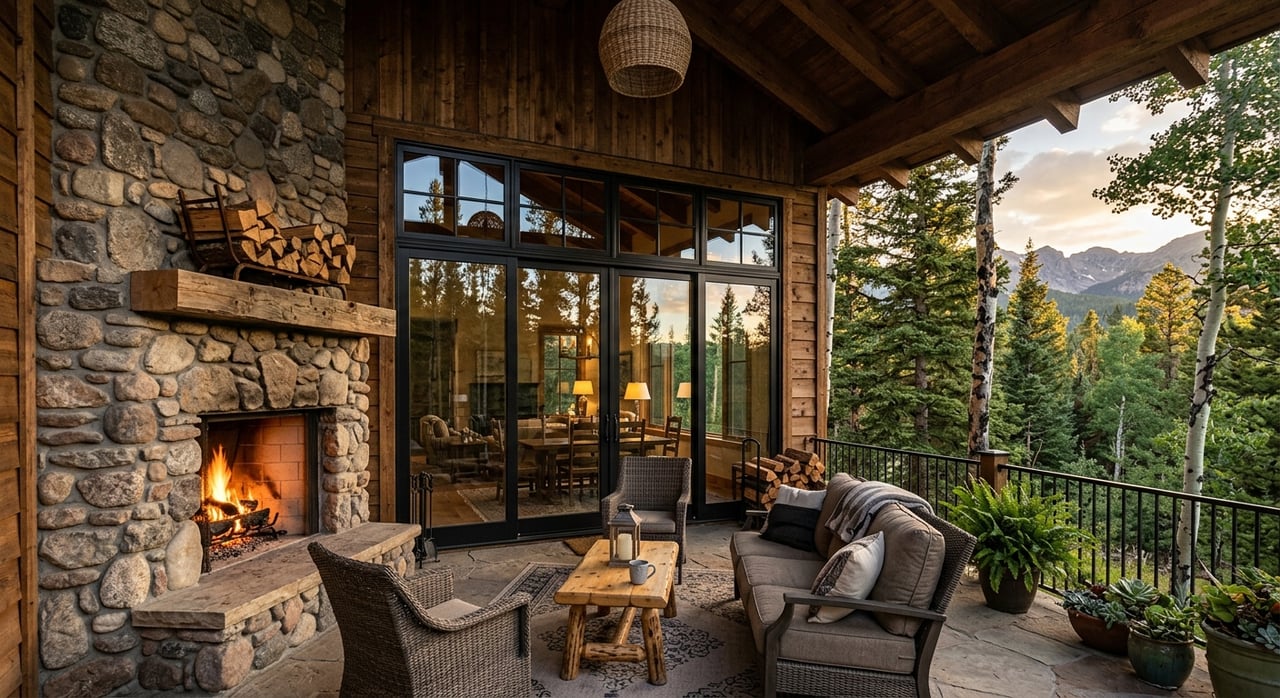
If you picture a second home as an easy lake cottage you can use the same way every weekend of the year, Lake George may surprise you. This is mountain ownership at about 8,000 feet, where big views, quiet surroundings, and easy access to fishing and public land come with real seasonal planning. If you are thinking about buying here, it helps to know what daily life, travel, and upkeep actually look like so you can buy with confidence. Let’s dive in.
Lake George living feels quiet and recreation-first
Lake George is a small mountain community in southeastern Park County with roughly 1,500 residents, plus seasonal visitors. The area is shaped more by outdoor access than by resort-style amenities, which gives it a slower, more practical feel. If you want a second home that feels tucked away and close to nature, that is a big part of the appeal.
The town itself offers basic services like a convenience store, motel and cabins, a restaurant, auto service station, post office, elementary school, and public library. That means your ownership experience is less about walking to shops and more about planning ahead. For many second-home buyers, that tradeoff is exactly the point.
What your weekends can look like
A second home in Lake George often revolves around time outside. Nearby recreation includes Eleven Mile State Park, Spinney Mountain State Park, Eleven Mile Canyon, and the surrounding Pike National Forest. Instead of a packed calendar of town events, you are buying into access to water, trails, forest roads, and a quieter mountain pace.
That makes Lake George especially attractive if you want a home base for fishing, boating, hiking, mountain biking, horseback riding, backpacking, or snowshoeing. It can also work well if you simply want a retreat where the main luxury is space, silence, and a change of scenery. The lifestyle is simple, but it is not boring.
Eleven Mile shapes the local lifestyle
Fishing and boating take center stage
Eleven Mile State Park is one of the biggest reasons buyers look at this area. The reservoir supports fishing, boating, kayaking, canoeing, sailing, and windsurfing, along with nearly five miles of hiking and biking trails. The park also has three boat ramps, marina rentals, guide service, and aquatic nuisance species inspections for trailered boats.
For many owners, this means your second home becomes a launch point for long weekends on the water. Colorado Parks and Wildlife describes the reservoir as a strong destination for trout, pike, and kokanee salmon. If fishing is high on your list, Lake George can make a lot of sense.
It is not a beach-town lake experience
It is important to understand what Eleven Mile is and is not. Water-contact sports such as swimming, water-skiing, tubing, wading, jet skis, and scuba diving are prohibited there. So if your ideal second home centers on beach days and tow-behind water sports, the area may feel different from what you expect.
Instead, the recreation profile is more focused on fishing, boating, and enjoying the landscape. That can be a great fit if you prefer a quieter lake setting. It also helps set realistic expectations before you buy.
The seasons are a real part of ownership
Winter is beautiful, but serious
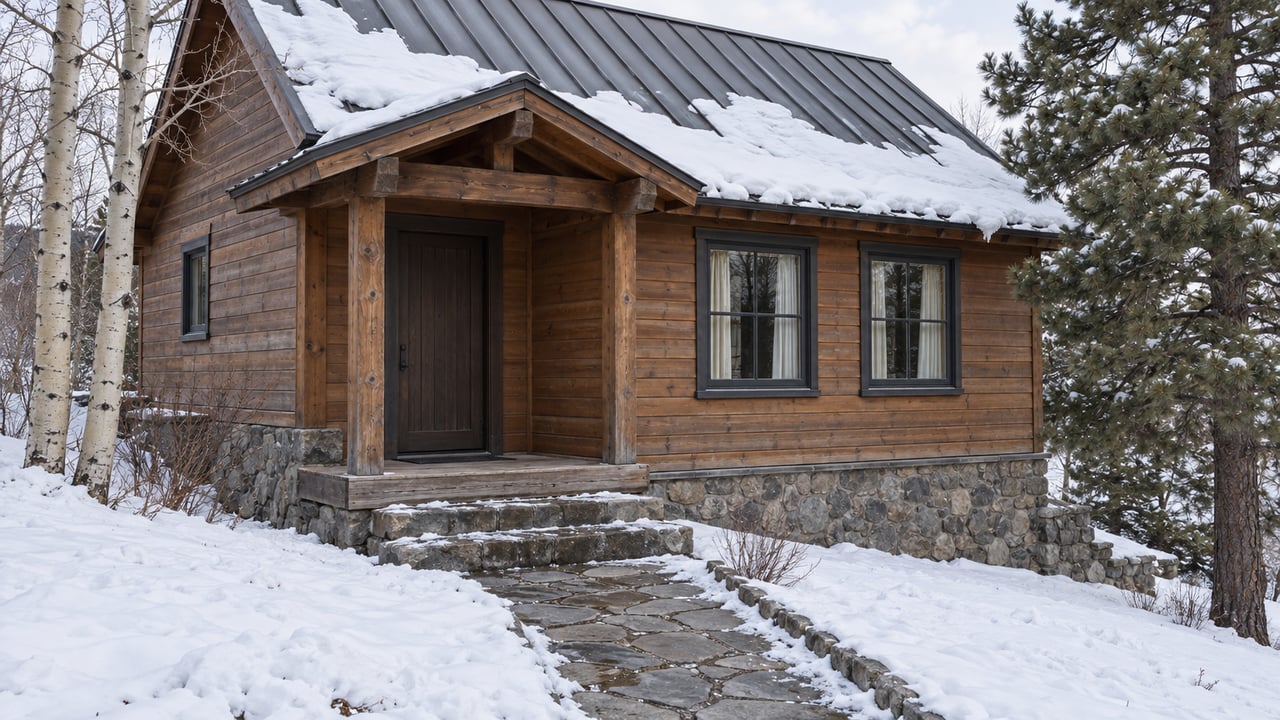
Owning a second home in Lake George means adjusting to true mountain seasons. Park County lists average annual snowfall at 59 inches and notes that snow can occur in every month. Winter can stretch from late September through May, which is much longer than many out-of-area buyers expect.
The county also recommends four-wheel or all-wheel drive in all seasons. In winter wind events, many roads can be snowed in for several days, so part-time owners need to think ahead about access, fuel, and supplies. If you leave town after a weekend stay, you want a plan for what happens if weather moves in while you are away.
Shoulder seasons matter too
Seasonality in Lake George is not just about snow. Nearby parks also shift operations through the year, which changes how you use the area. Eleven Mile State Park has off-season office hours from Labor Day to Memorial Day, and Spinney Mountain State Park generally operates from about April 15 to November 15.
That does not mean the area shuts down, but it does mean your routine changes by season. The best second-home owners here tend to stay flexible. Rather than expecting the same experience every month, they lean into what each season offers.
Winter recreation can still be a draw
If you enjoy cold-weather recreation, winter can still be a plus. At Eleven Mile, conditions may allow for ice fishing, ice boating, ice skating, and cross-country skiing. For some buyers, that turns the off-season into another reason to own here.
The key word is conditions. In Lake George, you usually do best with a backup plan and a mindset that values the setting as much as any one activity. That flexibility tends to make ownership a lot more enjoyable.
Access and roads need your attention
Not every road is maintained the same way
One of the biggest adjustments for second-home buyers is learning how road maintenance works. Park County maintains only county-road-system roads, not private roads, subdivision roads outside the system, or state highways. Some remote county roads may be graded only once a year or not at all.
The county also notes that lower-priority snow removal is a courtesy rather than a guarantee. Property owners are responsible for their own driveways and parking areas. In practical terms, that means winter access starts with the specific road to the property, not just the address on a map.
Local support makes ownership easier
A Lake George second home usually works best when you line up support before your first winter. That might include snow removal, periodic property check-ins, and routine maintenance help. If you live out of area, having local contacts matters even more.
This is one reason mountain-market guidance can be valuable during your home search. A property may look perfect in photos, but access, driveway setup, and road responsibility can shape your actual ownership experience. Those details matter just as much as square footage or views.
Homes here often come with rural systems
Many properties in the Lake George area depend on wells and septic systems. Park County requires a septic permit before a building permit and a well permit before drilling. The county also recommends certified water testing.
For second-home buyers, this does not have to be a deal breaker. It simply means you should expect a more hands-on ownership model than you might find in a fully serviced subdivision. Understanding the setup early can help you choose a property that fits your comfort level.
If you are considering vacant land, a cabin, or a home on acreage, these details become even more important. Buyers who ask the right questions about permits, water, septic, and year-round access usually make stronger long-term decisions. In a mountain market, practical basics support the lifestyle.
Wildfire readiness is part of mountain ownership
Wildfire risk is a real part of owning in this area. Park County encourages defensible space around structures and posts fire restrictions by district. That means second-home ownership should include seasonal awareness, not just recreation planning.
You will want to think about readiness before peak fire season, especially if the home sits vacant at times. A good routine may include checking restrictions before visits, maintaining the property, and thinking through evacuation planning. None of this takes away from the appeal of mountain living, but it should be part of how you prepare.
Eleven Mile Canyon adds another layer of appeal
The Lake George area is not only about the reservoirs. The U.S. Forest Service describes Eleven Mile Canyon Recreation Area as forested, lush, and rocky, with a narrow dirt road on the old Colorado Midland Railroad bed. That gives the area a very different feel from open-water recreation.
For owners who want variety, this is one of the benefits of having a second home here. One day can be about fishing or boating, while the next is about canyon scenery, quiet drives, or trail access. The broader South Park Ranger District also offers hiking, backpacking, horseback riding, mountain biking, and snowshoeing opportunities.
Some nearby access roads have no winter maintenance or seasonal closures, especially in more remote recreation areas. If exploring public land is part of your plan, it helps to treat conditions as part of trip planning. In Lake George, spontaneity is great, but preparation usually makes the experience better.
Who tends to enjoy a second home here most
Lake George is often a strong fit for buyers who want a real mountain retreat, not a high-service resort experience. If you value privacy, natural scenery, and recreation access over in-town convenience, the area can be very rewarding. It also suits buyers who are comfortable with weather, distance, and a little more ownership responsibility.
This area may be especially appealing if your ideal second home includes:
- Easy access to fishing and boating
- Proximity to public land and trail systems
- A quieter setting with fewer crowds
- A property that feels like a true getaway
- Flexibility to plan around weather and seasonal conditions
On the other hand, if you want dense amenities, short winter seasons, or a plug-and-play vacation-home setup, you may want to look carefully at whether Lake George matches your expectations. The area is beautiful, but it asks you to embrace mountain realities along with the lifestyle benefits.
Buying with the right expectations
The best Lake George second-home owners usually go in with clear eyes. They understand that the reward is a peaceful base near some of central Colorado’s best fishing, boating, and forest recreation. They also know that road conditions, property systems, snow, and wildfire planning are part of the package.
That balance is what makes ownership here feel authentic. You are not just buying a house. You are buying access to a place with strong seasonal character, practical mountain demands, and a lifestyle built around the outdoors.
If you are exploring second homes in Lake George, the right property often comes down to more than the cabin itself. Access, maintenance needs, lot features, and how you plan to use the home all matter. When you want local insight into mountain properties, acreage, and second-home logistics, High Country Realty is here to help.
FAQs
What is daily life like for second-home owners in Lake George?
- Daily life in Lake George is usually quiet, rural, and recreation-focused, with basic town services and easy access to nearby state parks, the canyon, and national forest land.
What should buyers know about winter at a Lake George second home?
- Buyers should expect a long winter season, average annual snowfall of 59 inches, possible snow in any month, and times when roads may be difficult to access for several days.
What kind of lake recreation is available near Lake George?
- Near Lake George, Eleven Mile State Park supports fishing, boating, kayaking, canoeing, sailing, and windsurfing, but it does not allow swimming, tubing, jet skis, or water-skiing.
What road and access issues matter for Lake George properties?
- Road access matters because Park County maintains only certain roads, snow removal on lower-priority roads is not guaranteed, and owners are responsible for their own driveways and parking areas.
What property systems are common in the Lake George area?
- Many Lake George area properties use wells and septic systems, so buyers should understand permitting, maintenance, and water-testing considerations before they purchase.
Is wildfire planning important for a second home in Lake George?
- Yes, wildfire readiness is an important part of owning in Lake George, including defensible space, awareness of local fire restrictions, and planning for seasonal conditions.