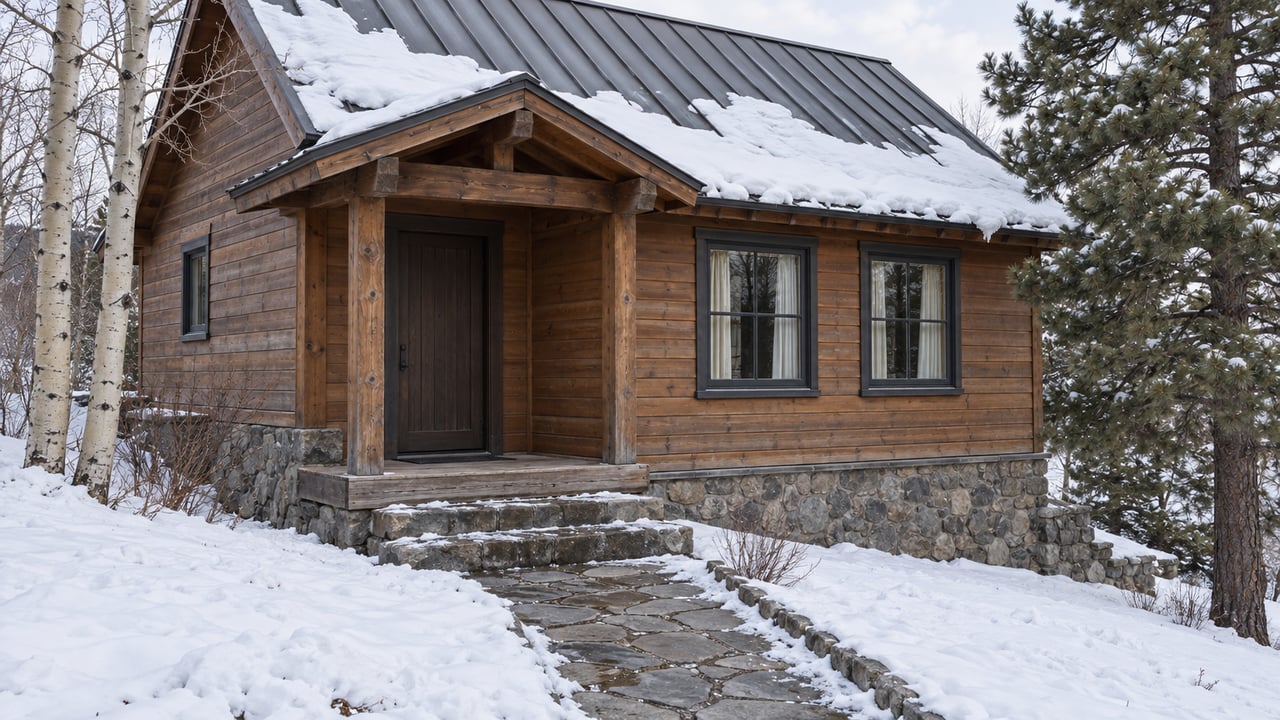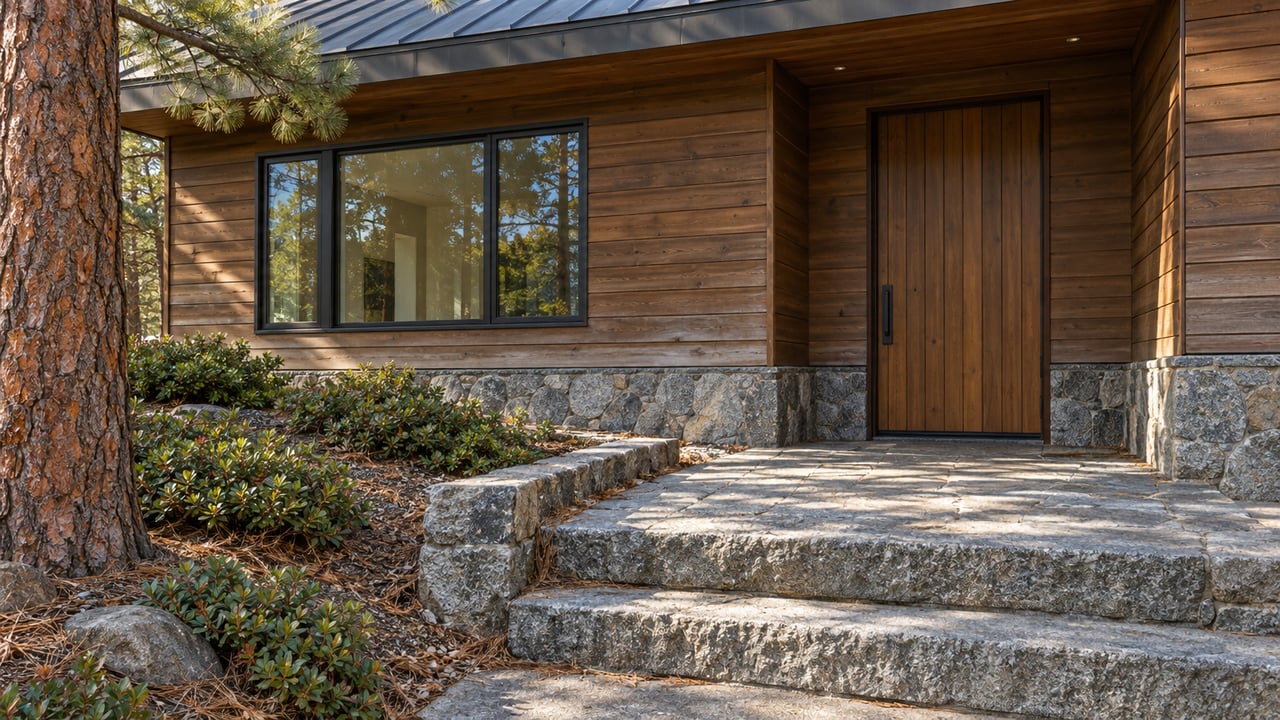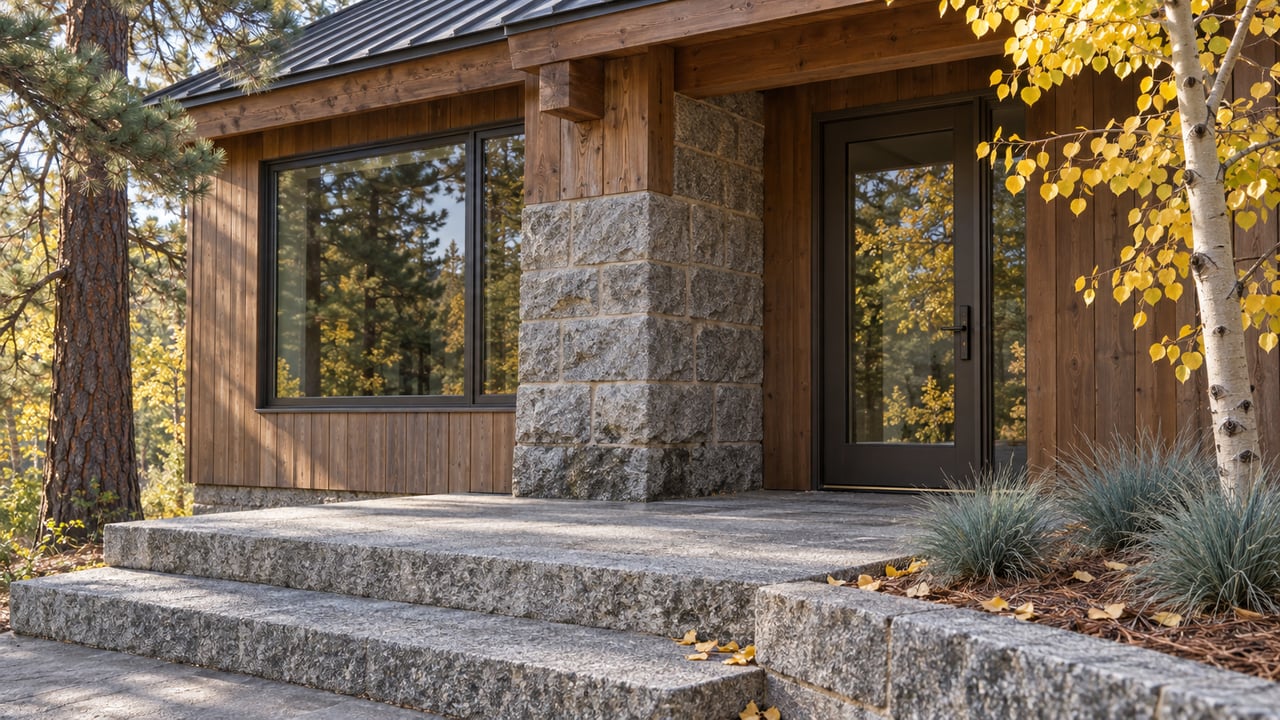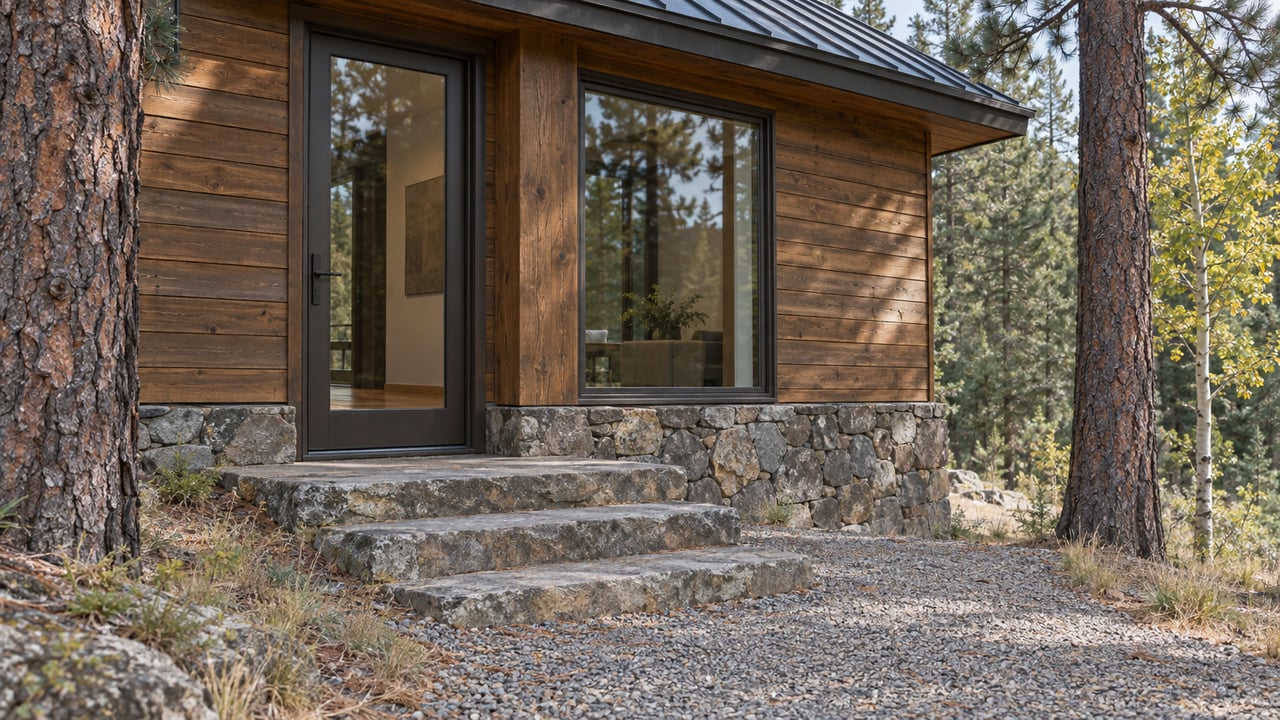
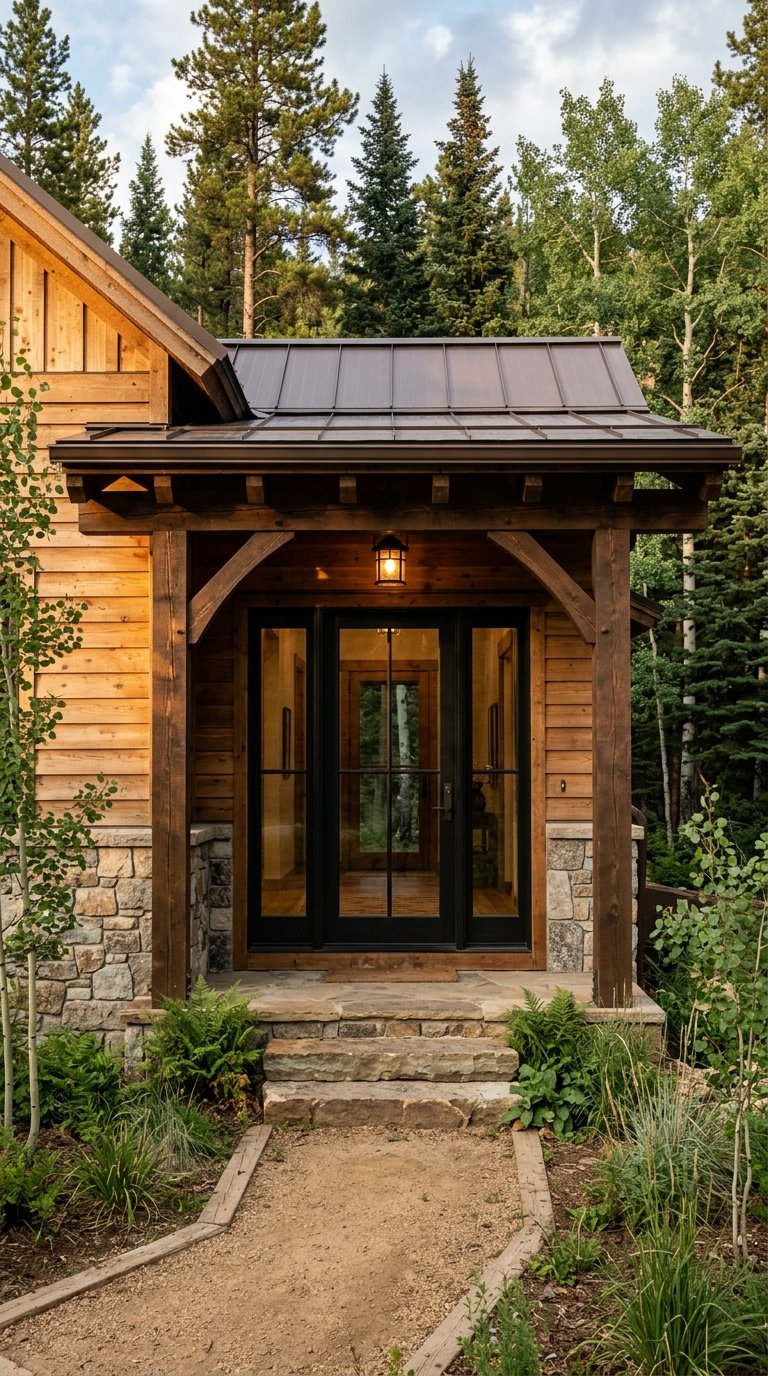
Dreaming about a cabin near the water or a mountain home with room to breathe? Lake George has that classic Colorado pull, but buying here is different from buying in a more typical town. If you are considering a full-time home, a second home, or a buildable parcel, it helps to understand the local details before you make an offer. Let’s dive in.
Why Lake George draws buyers
Lake George sits at about 8,000 feet in Park County and is roughly 45 miles from Colorado Springs on US-24. That location gives you a mountain setting with a fairly direct drive to the Front Range, which is a big reason buyers keep this area on their radar.
At the same time, Lake George is not a full-service suburban market. Park County describes the community as having basic services like a convenience store, motel cabins, a restaurant, an auto service station, a post office, an elementary school, and a public library. For many buyers, that is part of the appeal.
You get a quieter base camp feel with strong access to outdoor recreation. Seasonal visitors to Eleven Mile Canyon and nearby state parks also help support the local economy, which adds to the area’s identity as a recreation-focused mountain community.
What homes and land you may compare
One of the first things many buyers notice near Lake George is the variety of property types. You may look at a site-built cabin one day, a multi-acre parcel the next, and then a manufactured home or a home on mixed terrain after that.
Park County’s assessor classifies taxable property by type, including residential, commercial, agricultural, vacant land, natural resource, industrial, and personal property. That matters because classification affects how property is valued and taxed.
In practical terms, buyers in the Lake George area often compare:
- Site-built homes
- Cabins on wooded lots
- Vacant mountain parcels
- Larger acreage tracts
- Manufactured homes
Manufactured homes deserve a closer look during due diligence. Park County notes that a titled manufactured home is valued and taxed separately from the land until it becomes permanently affixed, so title and tax treatment may be different from a traditional site-built home.
What “near water” really means
A lot of buyers start with one goal: find a cabin or home near the water. In Lake George, that can mean access to major recreation areas, but it does not always mean private shoreline, direct boating rights, or unrestricted use.
Eleven Mile Canyon access
Eleven Mile Canyon Recreation Area sits below the dam of Eleven Mile Reservoir near Lake George. The Forest Service says the canyon is generally accessible year-round, though services are reduced in winter, and access from Lake George is via County Road 96 south.
For buyers, that means you can enjoy close proximity to a well-known recreation area without assuming every season feels the same. Winter conditions and reduced services can change how often you use it and how convenient that access feels.
Eleven Mile Reservoir details
Colorado Parks and Wildlife says Eleven Mile State Park is about one mile west of Lake George on US-24 and then south on County Road 90 and County Road 92. The park includes 3,405 reservoir surface acres, 326 campsites, multiple boat ramps, and nearly five miles of hiking and biking trails.
That is a major lifestyle advantage for buyers who want fishing, boating, camping, or open views nearby. Still, it is important to know that Eleven Mile Reservoir is also a water-supply reservoir.
CPW notes that Denver Water owns the dam, the water, and most of the surrounding land, and that strict regulations protect water quality. So if you are picturing unrestricted reservoir use, local rules may be tighter than expected.
Spinney Mountain and Tarryall
Spinney Mountain State Park is also in Lake George and is open after spring ice through Nov. 15 unless ice arrives sooner. CPW describes it as a scenic alpine retreat with world-class trout fishing and a 2,444-surface-acre reservoir.
Tarryall Reservoir State Wildlife Area is another nearby destination in Park County. It has 711 land acres and 175 water acres, and most visitors age 16 and older need a valid hunting or fishing license or an SWA pass.
Boating rules can also vary by season and site. When the boat ramp at Tarryall is closed, use is limited to hand-launched or non-motorized boating only.
Why access rules matter
The big takeaway is simple: near water does not mean automatic water access. Each park, reservoir, canyon area, or wildlife area has its own rules for entry, seasons, boating, and recreation.
That is why buyers should match the property to the lifestyle they actually want. If your ideal weekend includes trail access, boat ramps, or regular fishing, it is smart to confirm how those nearby amenities really work before you close.
Mountain property issues to check early
Buying near Lake George often means buying into mountain-property logistics. These are not deal breakers, but they are important details that can affect cost, timing, and how you use the property.
Septic and development approvals
Before buying or building, Park County says property owners should check with the Environmental Health Department for hazards and health risks. The county also says it will not issue a building permit until other county requirements are met.
A septic permit must be obtained before the building permit process moves forward. CDPHE says on-site wastewater treatment systems with flows of 2,000 gallons per day or less are permitted by local counties, which means county-level review is a key step for many Lake George properties.
If you are looking at land or a cabin with plans to expand, this should be near the top of your checklist. A parcel that looks simple on paper may still require careful review before it is ready for your plans.
Site plans and build logistics
Park County’s development permit application expects site plans to show several features that matter to mountain properties. These include the driveway, roads, rights-of-way, access easements, septic tank and leach field, setbacks, wells, utilities, and wetlands.
That list gives you a good preview of what “feasibility” means in this market. A beautiful lot is only part of the story. Access, layout, utilities, and space for systems all matter.
Well permits and water testing
Water is another major issue for many mountain buyers. Park County says owners must obtain a well permit before drilling, and the Colorado Division of Water Resources says every new well in Colorado that diverts groundwater must have a permit.
The state’s well-permit file includes allowable uses plus construction and pump records. Park County also recommends testing well water with a certified lab before using it for household purposes.
If you are buying an existing home with a well, ask clear questions about the well permit and available records. If you are buying land, make sure you understand the path to obtaining a permit before you move too far ahead.
Road access can shape your experience
Lake George buyers often focus on views, trees, and privacy first. Those are important, but year-round usability often comes down to something less exciting: the road.
Park County says it maintains only roads in the county road system, not private roads or subdivision roads that are not part of that system. It also notes that remote roads may be graded only once a year or not at all.
Snow removal is another point buyers should take seriously. The county says snow removal on lower-priority county roads is a courtesy rather than a guarantee, and a separate county snow-plow policy says Park County will not plow a road unless it has been dedicated to the public and accepted for county maintenance.
Owners are also responsible for building and maintaining their driveways and parking areas, and driveway permits are required before construction. So when you tour a property, it is worth asking not just whether the road exists, but who maintains it, how often, and what winter access usually looks like.
Wildfire planning is part of buying here
In the Lake George area, wildfire is not a rare issue. It is a normal mountain-forest risk that should be part of your due diligence from the beginning.
Park County urges buyers to consider the possibility of catastrophic wildfire when choosing a building site. The county also says buyers should think carefully about road and driveway access and create defensible space around homes and other structures.
Colorado State Forest Service guidance similarly says homes in the wildland-urban interface are at risk and that homeowners should harden their homes and create defensible space. In other words, wildfire planning is a standard part of owning mountain property, not an optional extra.
HOA and subdivision rules may apply
Some buyers assume county approval is the whole story. In some Lake George subdivisions, that may not be enough.
If the property is in a platted subdivision, Park County’s permit application asks whether the HOA has approved septic and building work. That means HOA design rules, approvals, and recorded covenants may affect what you can build or change.
This is especially important if you are buying vacant land or planning future improvements. You will want to review both county requirements and any subdivision-specific rules before moving forward.
Property taxes may vary by classification
Two properties with similar views may not be taxed the same way. Park County says the assessor must classify and value property by class, while the Colorado General Assembly sets the assessment rate and local taxing authorities set mill levies.
For buyers, the key point is that the tax burden can change depending on whether a parcel is classified as residential, vacant, agricultural, or something else. That makes it important to look at the current classification as part of your review, especially when you are comparing homes to land.
A smart buyer checklist for Lake George
If you are serious about buying a cabin or home near Lake George, keep your due diligence focused on the details that matter most in mountain markets.
- Confirm road type and who maintains it
- Ask about winter access and snow removal expectations
- Review well permit status and available records
- Verify septic status or septic permit requirements
- Check site constraints for driveways, easements, setbacks, and utilities
- Understand recreation access rules for nearby water destinations
- Review wildfire considerations and defensible-space needs
- Check HOA or subdivision approval requirements if applicable
- Look at current property classification and tax treatment
These steps can help you avoid surprises and buy with more confidence. They also help you compare properties more accurately when one home seems cheaper, but may come with more complex access or infrastructure needs.
Why local guidance matters in Lake George
Buying in a mountain market is about more than finding the right floor plan or favorite view. You also need to understand how the property functions day to day, season to season, and year to year.
That is where local insight can make a real difference. From lot-build questions to access, wells, septic, and recreation-driven lifestyle goals, having the right support can make your search clearer and your closing smoother.
If you are exploring cabins, homes, or land near Lake George, High Country Realty can help you navigate the practical details and find a property that fits the way you want to live.
FAQs
What should you know before buying a home near Lake George, Colorado?
- You should review road access, winter maintenance, well and septic requirements, wildfire considerations, property classification, and any HOA or subdivision rules before closing.
Does buying near Eleven Mile Reservoir mean you get water access?
- No. Access, boating, and recreation rules vary by site, and nearby ownership does not automatically include shoreline or unrestricted reservoir use.
Do Lake George properties usually need wells and septic systems?
- Many mountain properties do, and Park County says septic permits are required before the building permit process can move forward, while new wells in Colorado generally require permits.
Can you use a Lake George cabin year-round?
- In many cases yes, but year-round use depends in part on road access, winter conditions, and whether the road is county-maintained or privately maintained.
Are manufactured homes near Lake George treated the same as site-built homes?
- Not always. Park County notes that a titled manufactured home is valued and taxed separately from the land until it becomes permanently affixed.
Why is wildfire a key issue when buying near Lake George?
- Park County and the Colorado State Forest Service both treat wildfire mitigation, home hardening, and defensible space as standard due diligence for mountain properties.