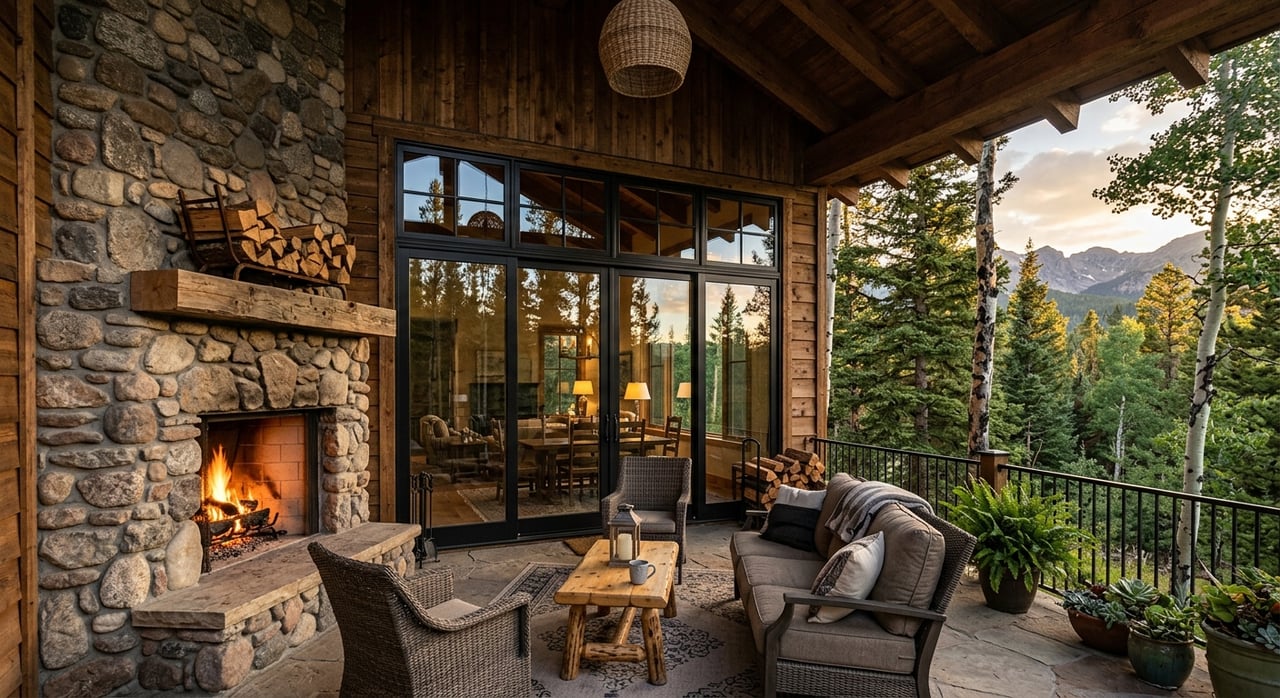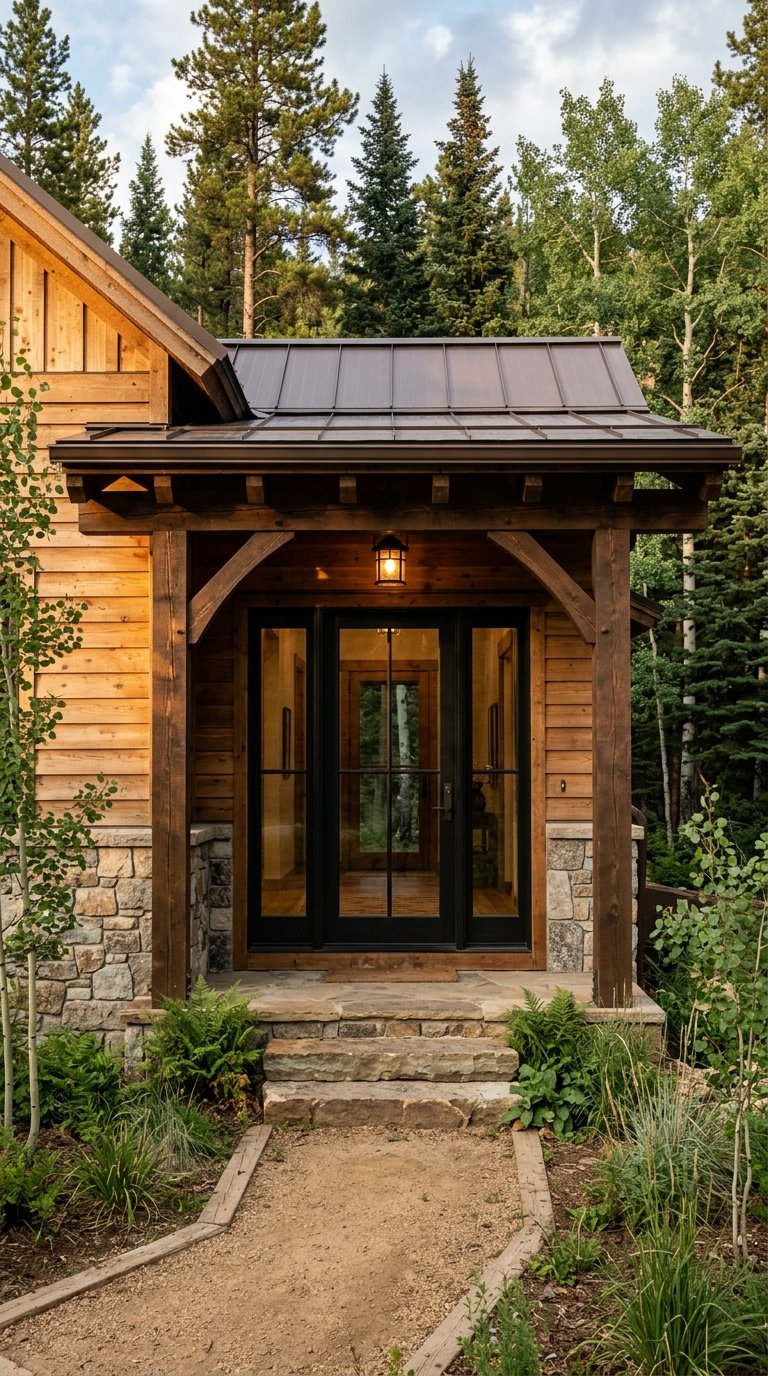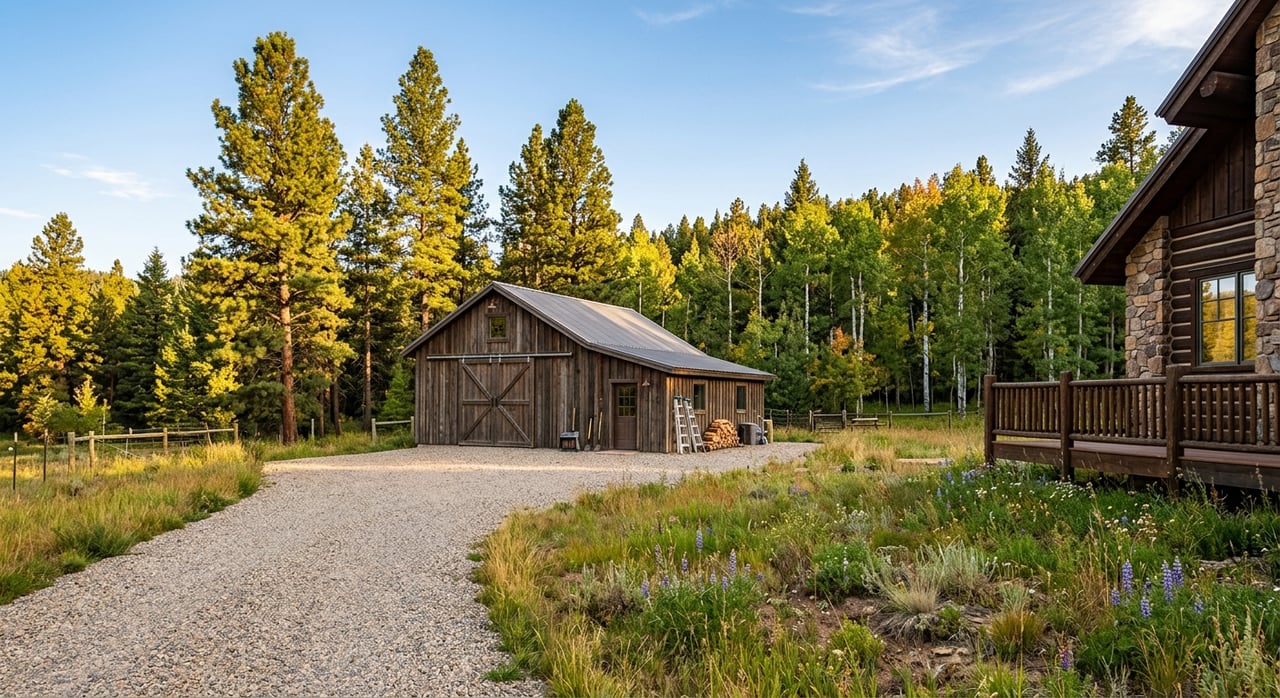
If you love the idea of a cabin in Cascade-Chipita Park, it helps to know that mountain ownership comes with a different set of day-to-day responsibilities than a typical in-town home. Access, snow, drainage, private utilities, and wildfire prep can all shape how easy your property is to use and maintain. The good news is that when you know what to check before you buy, you can make a more confident decision and avoid surprises later. Let’s dive in.
Why cabin ownership feels different here
Cascade-Chipita Park is a census-designated place in El Paso County, and U.S. 24 through Ute Pass is a key local travel corridor. That matters because your ownership experience is often shaped as much by access and infrastructure as by the cabin itself.
In practical terms, two nearby properties can come with very different maintenance demands. One may have easier winter access and documented utility records, while another may depend on a steeper driveway, a gravel road, or more hands-on upkeep.
Check road access before you buy
One of the most important questions to ask is simple: how do you get to the property in every season? In Cascade-Chipita Park, road conditions can change quickly in winter, and road service can vary from one area to another.
U.S. 24 is a mountain corridor where Colorado Department of Transportation road-condition updates, closure protocols, and winter traction laws can affect travel. During winter storms, you or your guests may need AWD or 4WD with appropriate snow-rated or all-weather tires.
El Paso County uses road priorities for snow and ice control, and gravel roads are serviced only during daylight hours. The county’s plow mapbook includes Cascade and Chipita Park snow areas, which is a good reminder that you should verify the exact access road rather than assume the same level of winter service for every property nearby.
Questions to ask about roads
- Is the access road county-maintained or private?
- Is the road paved or gravel?
- How quickly is it typically plowed after a storm?
- Is there enough space for deliveries, trash pickup, and emergency vehicles?
- Would regular winter use realistically require AWD, 4WD, or chains?
Look closely at driveway slope and drainage
A mountain driveway can be just as important as the main road. If the driveway is steep, rutted, icy, or poorly drained, it may become one of the biggest ownership headaches on the property.
El Paso County Public Works says the homeowner is responsible for the culvert under a driveway and the 10 feet on each side. County crews handle culverts and ditches in the right-of-way, but driveway drainage remains the owner’s job.
That makes drainage a key part of your due diligence. Before closing, it is smart to inspect for runoff patterns, erosion, culvert blockage, and low spots where snowmelt may collect and refreeze.
What to watch for at the driveway
- Standing water near the approach
- Erosion along the edges
- Leaves or debris blocking culverts
- Deep ruts that could worsen during thaw cycles
- Ice buildup on steep sections
Verify well and septic details early
Many mountain properties are not connected to municipal utility systems. If the cabin uses a private well and an onsite wastewater treatment system, those systems deserve careful review before you move forward.
El Paso County Public Health regulates onsite wastewater treatment systems for properties that are not served by a municipal wastewater system. The county also makes OWTS records available online, although not every parcel has a complete file.
That means records are helpful, but they may not tell the full story by themselves. You should confirm what system is in place, whether records are available, and whether the property’s setup matches current use.
Utility items to confirm
- Whether the home uses a private well
- Whether the property has an OWTS or septic system
- Whether county records are available for the system
- The condition and service history of the system, if documented
- Whether the utility setup fits year-round or seasonal use
Plan for regular water testing
If a cabin uses a private well, water quality is part of ongoing ownership. Colorado notes that private wells are not protected under the Safe Drinking Water Act, so the well user is responsible for testing drinking water.
El Paso County Public Health offers bacteriological water potability tests. For buyers and owners in Cascade-Chipita Park, that is a useful local resource because water testing should be treated as a routine maintenance item, not just a one-time closing step.
This is especially important if the property has seasonal vacancy or periods of low use. A simple maintenance calendar can help you stay ahead of testing and avoid making assumptions about water quality.
Stay ahead of septic maintenance
Septic care is one of those responsibilities that is easy to ignore until a problem shows up. In a mountain setting, staying on schedule matters because repairs can be disruptive and expensive.
The Environmental Protection Agency says the average household septic system should be inspected at least every three years and pumped every three to five years. It also recommends using water efficiently, keeping inappropriate items out of the system, and protecting the drainfield.
For cabin owners, the big takeaway is consistency. Even if the home is not occupied full-time, the system still needs monitoring and a clear service history.
Good septic habits for cabin owners
- Schedule regular inspections
- Pump on an appropriate timeline for household use
- Avoid flushing or draining items the system should not handle
- Use water efficiently
- Protect the drainfield from damage and heavy disturbance
Winterize seasonal cabins the right way
If your cabin will sit empty for part of the year, winter prep becomes a must-do task. Frozen pipes and water damage can turn a peaceful retreat into a costly repair project.
FEMA recommends insulating or heat-taping vulnerable pipes, disconnecting hoses, and keeping the home warm enough to prevent freezing. Colorado State University Extension also says unoccupied areas should still be heated well above freezing.
The main goal is to think beyond the living room thermostat. Pipes in crawlspaces, utility areas, exterior wall cavities, and less-used rooms may need special attention.
Seasonal winterizing checklist
- Insulate or heat-tape vulnerable pipes
- Disconnect hoses
- Keep the cabin heated well above freezing
- Check less-used spaces, not just main living areas
- Inspect the home before long vacancy periods
Protect roofs, decks, and gutters
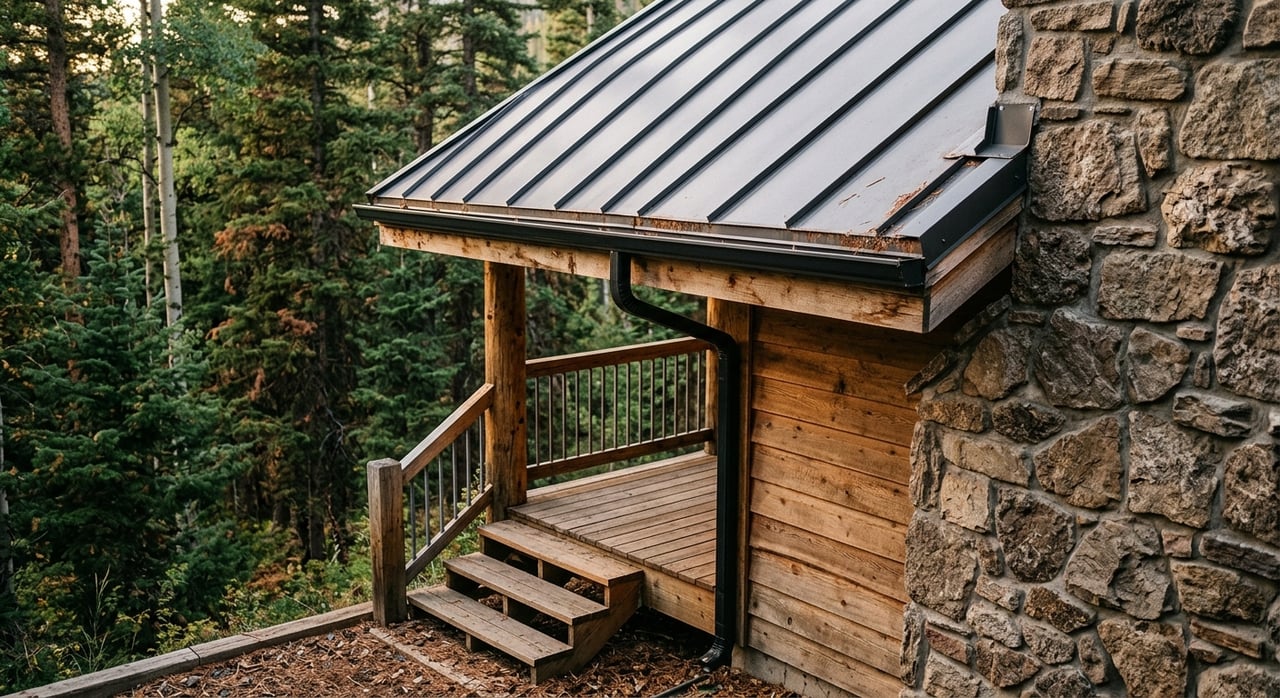
Cabins in wooded settings often collect pine needles, leaves, and windblown debris in places that are easy to miss. Over time, roofs, gutters, and decks can become both maintenance and wildfire concerns.
Colorado State Forest Service guidance for wildfire-prone areas recommends removing leaves, needles, and debris from roofs, gutters, and decks. It also recommends using a Class A roof when possible, screening vents, and maintaining defensible space around the home.
In Cascade-Chipita Park, this guidance is especially relevant because many homes combine tree cover, sloped roofs, and outdoor decks. Those features add charm, but they also require regular cleanup and inspection.
High-impact roof and deck tasks
- Clean gutters and roof valleys after wind or snow events
- Remove debris from decks
- Check vents and eaves for ember entry points
- Inspect deck undersides for areas where debris collects
- Evaluate roofing condition and fire-resistant features when possible
Understand defensible space around the cabin
Wildfire prep is not just about the structure itself. The space around the home also plays a major role in reducing risk.
The Colorado State Forest Service divides defensible space into three zones: 0 to 5 feet, 5 to 30 feet, and 30 to 100 feet from the structure. This zone-based approach helps owners think more clearly about where cleanup, vegetation management, and maintenance efforts should happen.
El Paso County’s Planning and Community Development site also links wildfire resiliency requirements and a wildfire resiliency code map. That is a sign that wildfire mitigation remains an active local planning issue, so buyers should treat it as part of normal mountain ownership planning.
Compare service levels, not just scenery
When you compare cabins in Cascade-Chipita Park and nearby Ute Pass areas, it is easy to focus on trees, views, and privacy first. Those features matter, but the more useful comparison is often the service level behind the property.
A cabin with county-plowed access, clear drainage, and documented septic records may be easier to own than a property with a steeper driveway, private road access, or less predictable utility history. In other words, the day-to-day ownership picture can vary more than listing photos suggest.
This is where local guidance can make a real difference. A mountain-market brokerage can help you look past surface appeal and focus on the details that shape long-term use, cost, and convenience.
A practical cabin due diligence checklist
Before you buy a cabin in Cascade-Chipita Park, keep your focus on the recurring responsibilities that matter most.
- Confirm whether the access road is county-maintained or private
- Verify road surface, plow priority, and winter travel needs
- Inspect the driveway for slope, drainage, culverts, and ice risk
- Review well and OWTS or septic records if available
- Ask about water testing and seasonal utility care
- Inspect roofs, gutters, decks, vents, and nearby vegetation
- Evaluate the property’s wildfire hardening and defensible space needs
If you want help evaluating a cabin in Cascade-Chipita Park or comparing nearby Ute Pass properties, High Country Realty can help you look at the mountain-specific details that matter before you buy.
FAQs
What should you check first when buying a cabin in Cascade-Chipita Park?
- Start with access, road maintenance, driveway condition, and utility setup because those factors have a major impact on year-round use and ongoing maintenance.
How does winter road service work for Cascade-Chipita Park properties?
- El Paso County uses road priorities for snow and ice control, and gravel roads are serviced only during daylight hours, so service levels can vary depending on the exact road.
What utility systems are common for cabins in Cascade-Chipita Park?
- Some properties may use a private well and an onsite wastewater treatment system, so buyers should verify the setup and review available county records.
How often should a cabin septic system be maintained?
- The EPA says the average household septic system should be inspected at least every three years and pumped every three to five years.
Why is drainage so important for a mountain cabin in Cascade-Chipita Park?
- Poor drainage can lead to erosion, culvert blockage, ice buildup, and driveway access problems, especially during snowmelt and winter freeze-thaw cycles.
What wildfire maintenance steps matter most for Cascade-Chipita Park cabins?
- Key steps include clearing debris from roofs, gutters, and decks, screening vents, thinning vegetation near the home, and maintaining defensible space around the structure.