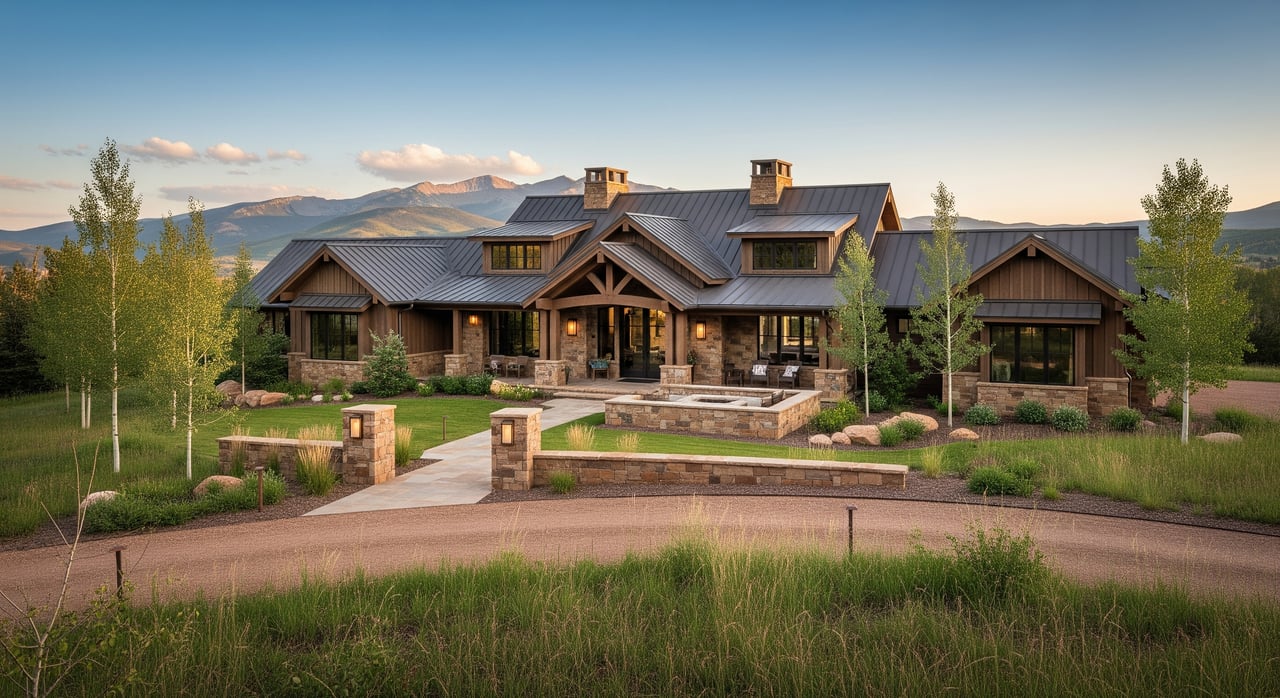
Thinking about a cabin or acreage in Divide and keep seeing “HOA” and “POA” in listings? You are not alone. In the mountains around Teller County, these acronyms can shape what you can build, how you access your property, and what you pay each year. This guide breaks down the differences, what really matters in Colorado, and the due diligence that protects you before you buy. Let’s dive in.
HOA vs POA in Colorado
An HOA is a homeowners association. A POA is a property owners association. In practice, both exist to manage shared rules and services inside a subdivision or planned community. The label alone does not tell the whole story.
In Colorado, many associations fall under the Common Interest Ownership Act, often called CCIOA. Others operate mainly under their recorded covenants and nonprofit corporate law. What this means for you is simple. The recorded covenants, bylaws, and budgets tell you far more than whether the community uses HOA or POA in its name.
What the labels mean in Divide
Divide is unincorporated and rural. You will find a mix of setups. Some neighborhoods have no association at all. Some have a POA that mainly handles private roads and snowplowing. Others operate like a traditional HOA with architectural review and broader use rules.
Since CC&Rs are recorded on title and travel with the land, your obligations do not depend on a sign at the entrance. They depend on the documents.
What really matters: the documents
Recorded covenants and maps define your rights and obligations. Bylaws and rules set the day-to-day governance. Budgets and minutes reveal financial health and priorities. All of these are part of smart due diligence for acreage and cabin buyers in Divide.
You want to verify whether the community is governed under CCIOA, understand any architectural control process, and confirm assessments and reserves. Look for any road or utility easements that affect access and maintenance. A clear picture on paper prevents surprises after closing.
Key items to verify
- Architectural review: application steps, timelines, and fees. Confirm whether the board can require changes or removal.
- Setbacks and lot coverage: where outbuildings, barns, or additions can go, and how large they can be.
- Livestock allowances: number and type of animals allowed, tied to lot size if applicable.
- Vehicles and storage: RV, trailer, and commercial vehicle rules. Seasonal occupancy limits if any.
- Short-term rentals: whether nightly rentals are allowed or restricted.
- Wells and septic: permits, shared well agreements, and maintenance obligations.
- Road obligations: who owns the roads, who plows, and how larger repairs are funded.
- Assessments and reserves: current budget, reserve level, and history of special assessments.
Common rules in Divide acreage communities
Divide-area CC&Rs often address the mountain realities of building and living at elevation. Expect the following topics to appear in many subdivisions and planned communities.
Architectural control
Many associations require written approval before you build a new structure, add an accessory building, change exterior colors, or install fencing. This can affect your timeline and design choices. Ask about standard materials, rooflines, and any appeal process if a request is denied.
Setbacks and outbuildings
Rules may define how close structures can be to property lines and roads. They can also limit the size and type of barns, garages, sheds, and guest cabins. For acreage, this affects where you can place paddocks, arenas, or shops.
Livestock and fencing
Some rural subdivisions allow horses and other livestock with limits tied to lot size. Others restrict or prohibit certain animals. You may see requirements for fencing types, manure management, and setbacks for corrals. Even if covenants allow livestock, county zoning and health rules still apply, so verify both layers before you buy.
RVs, vehicles, and rentals
Expect rules about parking and storing RVs, trailers, and commercial vehicles. Long-term living in an RV is often restricted. If you plan to rent your cabin short term, confirm whether nightly rentals are permitted, capped, or prohibited.
Utilities, wells, and septic
Most Divide properties rely on private wells and septic systems. Covenants may set maintenance requirements or address shared wells. Water rights and well permits are regulated at the state level. Review well permits, production history if available, and septic records so you understand capacity and any needed upgrades.
Wildfire mitigation
Divide is a forested, high-elevation area with wildfire risk. Many CC&Rs require defensible space around structures and encourage or require ember-resistant materials. Separate from covenants, local fire districts and the Colorado State Forest Service publish standards that are often referenced in community rules.
Other common restrictions
You may see limits on exterior lighting, signage, home-based businesses, minimum home size, exterior materials and color palettes, and weed control. Read these closely if you have specific plans for your property.
Roads and winter access
In rural Teller County, road status can make or break your mountain living experience. Public roads are accepted and maintained by the county. Private roads are the responsibility of the owners, typically through an HOA, POA, or dedicated road association.
Private road arrangements
In many Divide communities, POAs manage grading, snow removal, and major repairs using owner assessments. Some areas form separate road districts that collect taxes for upkeep. Others rely on seasonal plowing contracts shared among owners. Your costs and access reliability depend on which model your property uses.
Buyer checks for road logistics
- Ownership: confirm who owns the interior roads and which easements affect access.
- Maintenance and funding: identify who plows and pays, and whether there are reserves for big repairs.
- Standards: ask if roads meet county and fire district standards for heavy trucks and emergency vehicles.
- Restrictions: check for gates, bridge load limits, or seasonal access concerns that affect deliveries and emergency response.
Money, enforcement, and liens
Associations fund operations through assessments. In rural Divide, a large portion often goes to road maintenance and snowplowing. Traditional HOAs may also cover landscaping or amenities. Healthy reserves lower the chance of special assessments when major work is needed.
Covenants and Colorado law commonly allow enforcement through fines and liens for unpaid assessments. In some situations, associations can foreclose a lien, subject to statute and recorded priorities. The practical takeaway for buyers is to budget for regular dues and understand the consequences if assessments go unpaid.
Title companies typically report recorded covenants and any liens. Associations may charge fees for transfer documents or payoff statements. Ask about these costs early in the process so you can plan for them at closing.
Due diligence checklist for Divide buyers
Before you commit, gather documents and confirm facts so you know exactly what you are buying. Use this quick checklist as a guide.
- Verify whether access roads are public or private. Obtain the recorded instrument that sets maintenance responsibility.
- Obtain and read the recorded CC&Rs, bylaws, and any amendments. Note architectural review procedures and timelines.
- Request an estoppel or payoff statement if under contract, and ask about any transfer fees.
- Confirm livestock and equestrian allowances in both the CC&Rs and Teller County zoning for your specific lot.
- Ask the association for the current budget, most recent financials, and any reserve study. Review the last 1 to 2 years of meeting minutes.
- Check the history of special assessments over the past 5 to 10 years and whether any are planned.
- Review road maintenance agreements, plowing contracts, and reserves for major repairs.
- Verify well permits, well logs if available, and septic permits or reports. Confirm any shared well agreements.
- Confirm wildfire mitigation requirements with the local fire district and factor potential insurance impacts.
- Order a title commitment that captures recorded covenants, easements, and any association liens.
How to choose: HOA vs POA fit
Because the label is less important than the documents, start with your goals. If you want to build a barn, store a trailer, or keep horses, a rural POA that focuses on roads and basic standards might fit better. If you prefer tighter architectural consistency and shared amenities, a traditional HOA may align with your priorities.
Either way, the decision hinges on the specific covenants, governance, and financial health of the community you choose. Match your plans to the rules and your risk tolerance to the budget and reserves.
Teller County realities to factor in
Divide is governed by Teller County zoning and land-use rules. These set permitted uses, minimum lot sizes for certain activities, and septic and well placement standards. Always confirm your planned use with county staff and your recorded documents.
Mountain conditions add practical concerns. Short building seasons, freeze-thaw cycles, and steep or gravel roads affect construction and everyday access. Wildfire risk and forested lots also influence insurance and building choices. Some lenders and insurers will review association documents and road standards, especially for rural properties, short-term rental restrictions, or private road access.
Ready to explore Divide with a local guide?
Buying land or a cabin in Divide is as much about roads, wells, and covenants as it is about views. You deserve clear answers before you commit. Our team pairs local expertise with hands-on coordination for mountain-specific details like wells, septic, access, and seasonal timing. If you want a smooth, informed path to the right property, reach out to High Country Realty. We are ready to help you evaluate options, line up documents, and move forward with confidence.
FAQs
What is the difference between an HOA and a POA in Divide?
- In practice they often operate similarly. The real differences come from the recorded covenants, whether the community is governed under Colorado’s CCIOA, and what services the association provides.
Who maintains private roads for rural Divide properties?
- Private roads are typically maintained by an HOA, POA, road association, or a special road district, funded through owner assessments or taxes. Verify the exact setup in the recorded documents.
Are horses and livestock allowed on Divide acreage?
- It depends on both the CC&Rs and Teller County zoning for the lot. Some communities allow horses based on lot size, while others restrict or prohibit certain animals. Confirm both layers before you buy.
Can I use my Divide cabin as a short-term rental?
- Many covenants address nightly rental use. Some allow it with limits, others prohibit it. Review the CC&Rs and current rules, and confirm any permitting requirements with the county.
How do covenants affect wells and septic systems?
- Covenants may set maintenance rules or shared well obligations, but well permits and water rights are regulated separately. Always review well permits, production information if available, and septic records for the property.
What risks do association liens pose to buyers?
- Associations can place liens for unpaid assessments and may use fines for violations. Liens can affect closing and, in some cases, can be foreclosed. Request payoff statements and review budgets and reserves to understand your exposure.